

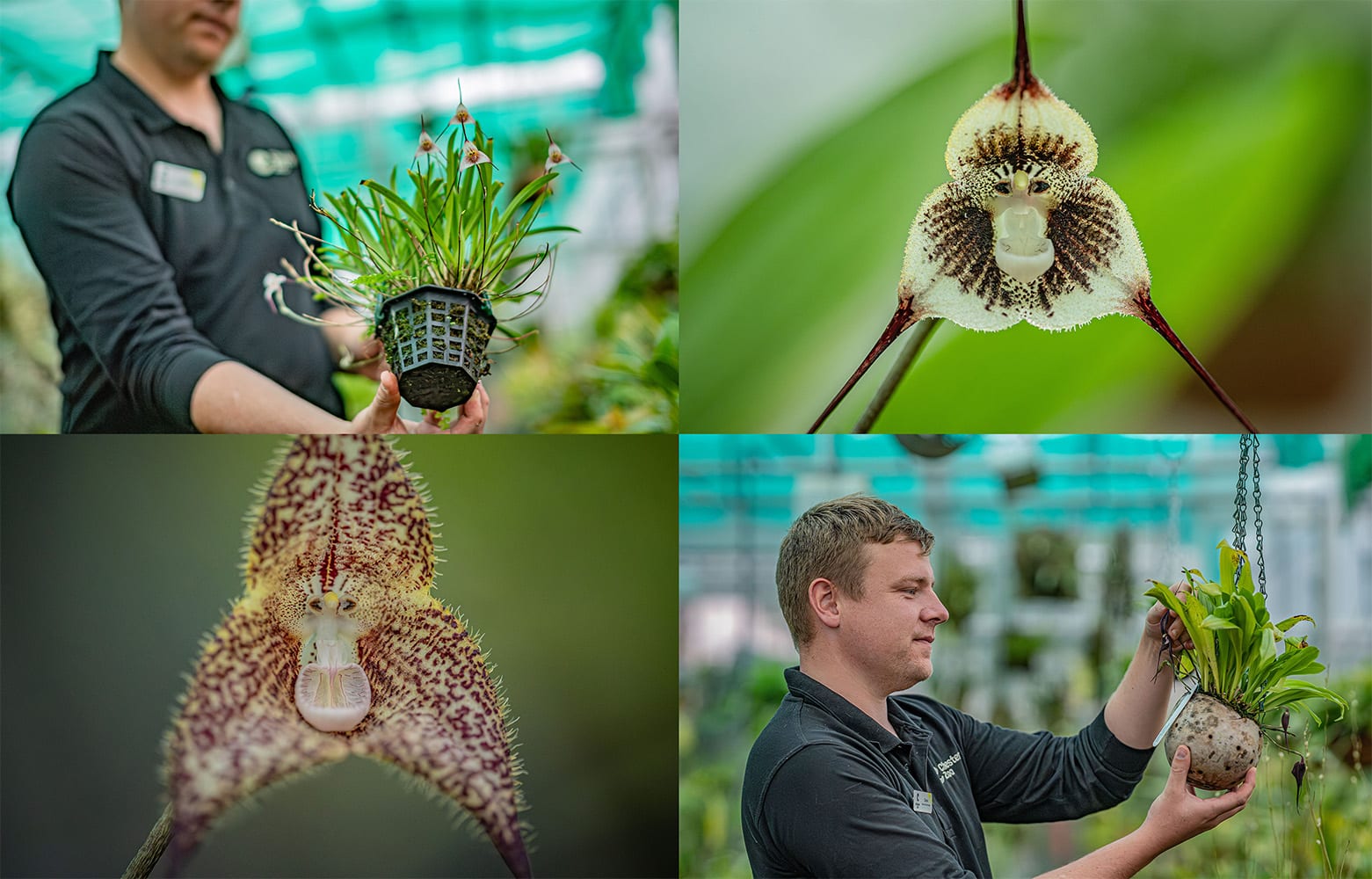
Chester Zoo’s collection of rare Dracula orchids has been recognised by Plant Heritage, highlighting the importance of protecting a group of plants threatened in the wild.
This is the sixth time the Cheshire-based conservation zoo has been named the official holder of a National Plant Collection®, a registered and documented collection of cultivated plants, in this case a group of highly endangered orchids.
The zoo cares for more than half of the 147 scientifically recognised species of Dracula orchid, which, despite their spooky name, are harmless to humans.
The orchids are among the rare plants Chester Zoo is helping to safeguard, and the recognition comes as the zoo’s horticulturists highlight the extraordinary diversity of plants and the threats they face, from habitat loss to illegal extraction.
Brie Langley, Assistant Team Manager for the zoo’s plant nursery, said the orchids appear to have dressed up for Halloween, though they are not scary - some have flowers that look more like monkeys’ faces than anything from a horror film.
She said:
“The name actually comes from the same root as the vampire Dracula’s: it means ‘little dragon’. I don’t see it, to be honest – I think they look more like they are pretending to be monkeys.
“Dracula roezlii, one of our star species, looks a bit spooky as we grow it in a calabash, a dried, hollow gourd that looks a bit like a skull.”
Dracula orchids come from the cloud forests of the Andes in Latin America, and they are a very diverse group. As well as their colourful ‘costumes’, they can also disguise their smell.
Some species give off a mushroom-like odour to attract fungus gnats which carry pollen from plant to plant, fertilising the orchids.
Ms Langley said:
“It’s very rare to have cloud forest orchids available to study in the UK. We look after more than 75 of the 147 scientifically recognised species of Dracula orchids, and every one of the plants we look after is threatened by illegal extraction, habitat loss or illicit mining.
“They are difficult to display because they want to be in a cloud, so they quickly wilt if conditions are not right. But people can see ultra rare cacti and Nepenthes in the Plant Project.”
The Dracula orchids are not currently on public display, but plants from the zoo’s five other National Collections, which include tropical pitcher plants (Nepenthes), rare cactus species (Copiapoa, Matucana, Turbinicarpus) and South American orchids (Pleurothallidinae) are on show.
Luke Bunn, Lead Horticulturist at Chester Zoo, said:
“If anyone is looking for something spooky to look at, Nepenthes plants are a good place to start. They are quite alien looking, as they grow long, tube-shaped pitchers with open mouths. They are carnivorous plants and they tempt insects in through these mouths, where they fall into a liquid that slowly digests them.
“Like Dracula orchids, Nepenthes species face serious threats, but our conservation teams are helping survey and protect them in the wild, and our science and plants team are working together to propagate them in human care to make sure they have a future.”
Gwen Hines, CEO of Plant Heritage, said the organisation was thrilled to award Chester Zoo their sixth National Plant Collection® this autumn.
She said:
“It's a wonderful reminder of the amazing plant conservation work that is going on at the zoo and we're excited to hear about their upcoming projects.
“At Plant Heritage we're focused on protecting our much-loved plants for future generations, so we hope that visitors to the zoo will take a moment to admire the horticultural achievements at the zoo alongside the animals that also call the zoo home.”
Pictured - ‘Monkey-like’ Dracula orchids pose no risk to humans and are under serious threat.
 Blues Match Report: Chester 2 - 1 Marine
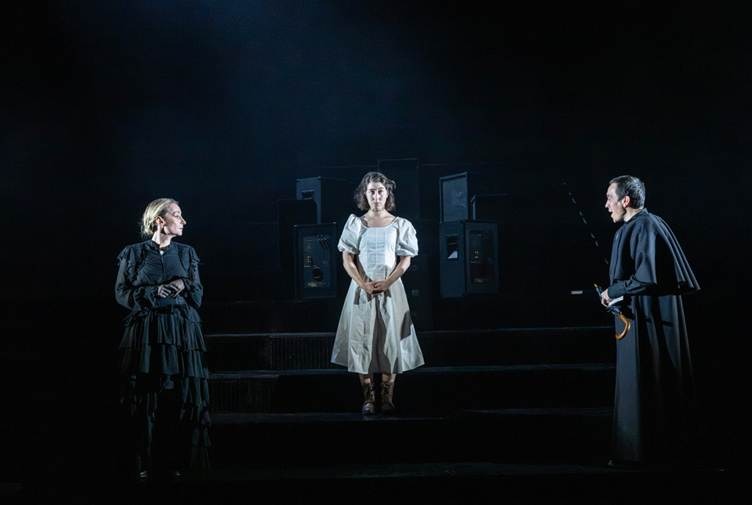 TWO WEEKS TO GO UNTIL JANE EYRE OPENS AT STORYHOUSE
 Chester and Wirral Football League - Weekend Round Up
 Blues Match Preview: Chester v Marine
 Chester’s festive fundraiser, the Santa Dash. is back for 2026
 BRAND-NEW SHOW CELEBRATING VICTORIA WOOD SET FOR STORYHOUSE DATE
 Blues Match Report: South Shields 3 - 1 Chester
 Police promoting road safety for all drivers and ensuring fitness to drive
 Blues Match Preview: South Shields v Chester
 Cheshire officers working to keep our town centres even safer
 Flintshire among Wales’s top performing councils for tax collection
 Have your say on the Council’s budget for 2027
 £50,000 fund opens to support safer communities across Cheshire
 Ellesmere Port man jailed for breaching Sex Offenders Order
 Man jailed for six years after deliberately hitting cyclist with his van in Ellesmere Port
Comments
Add a comment