

Wildflower and reduced-mow grassland areas managed by Flintshire County Council are supporting significantly higher numbers of insects than mown areas, a new study has found.
In recent years the Council has changed its approach to grassland management to support the creation of wildflower habitat. Since 2019, it has created areas of wildflowers and reduced mow across 49 hectares of previously mown grassland.
A study undertaken this summer assessed how the Council’s grassland management is influencing local insect populations. The work formed part of an MSc in Conservation and Land Management completed through Bangor University.
The study, carried out between May and July 2026, involved 95 survey hours across six Flintshire County Council sites, and has provided the first local data on the impact of the changes on nature in Flintshire.
A total of 3,884 insects were recorded during the surveys across six sites, with wildflower sites (where native wildflower seed has been introduced) and reduced mow sites (where the grass is allowed to grow through the summer) supporting far greater numbers than mown grasslands. More than 91% of the total insects recorded were found across wildflower seeded and reduced mow sites, with mown grasslands supporting just over 8%.
Flintshire’s reduced mow sites supported 218% more invertebrates than mown sites and seeded wildflower sites demonstrated a phenomenal 673% more invertebrates than mown grass sites. The findings also indicated that grasslands with taller vegetation support higher numbers of invertebrates.
The Council’s new approach to grassland management is guided by science and aims to create healthy spaces, healthy soil and water, support local pollinators and deliver wider benefits including storing carbon, filtering air pollution, and slowing and absorbing surface water.
The action also supports the Council’s ‘Bee Friendly’ status.
Councillor Chris Dolphin, Cabinet Member for Environment, Regeneration, Countryside and Tourism, said:
"It’s understood globally that longer, more natural areas benefit nature but it's fantastic to see local evidence which indicates that these changes are having an impact.
“These areas of longer vegetation are working so hard, providing many benefits, it’s something we all need to remember when we see areas of longer grass.”
Across the UK, wildflower habitat has declined by 98% since The Second World War. Flying insects have also declined by 60% over the last 20 years. Insects are an essential part of natural processes and food production – it’s estimated that one in three mouthfuls of food is pollinated by an insect.
Flintshire County Council remains committed to improving places for nature and people across the county and will continue expanding wildflower sites and reduced mow areas where appropriate. By making evidence-based management decisions, the Council is helping to create a more resilient Flintshire for future generations.
 Streetscene crews keeping Flintshire moving in extreme weather
 Man charged in relation to Chester burglary series
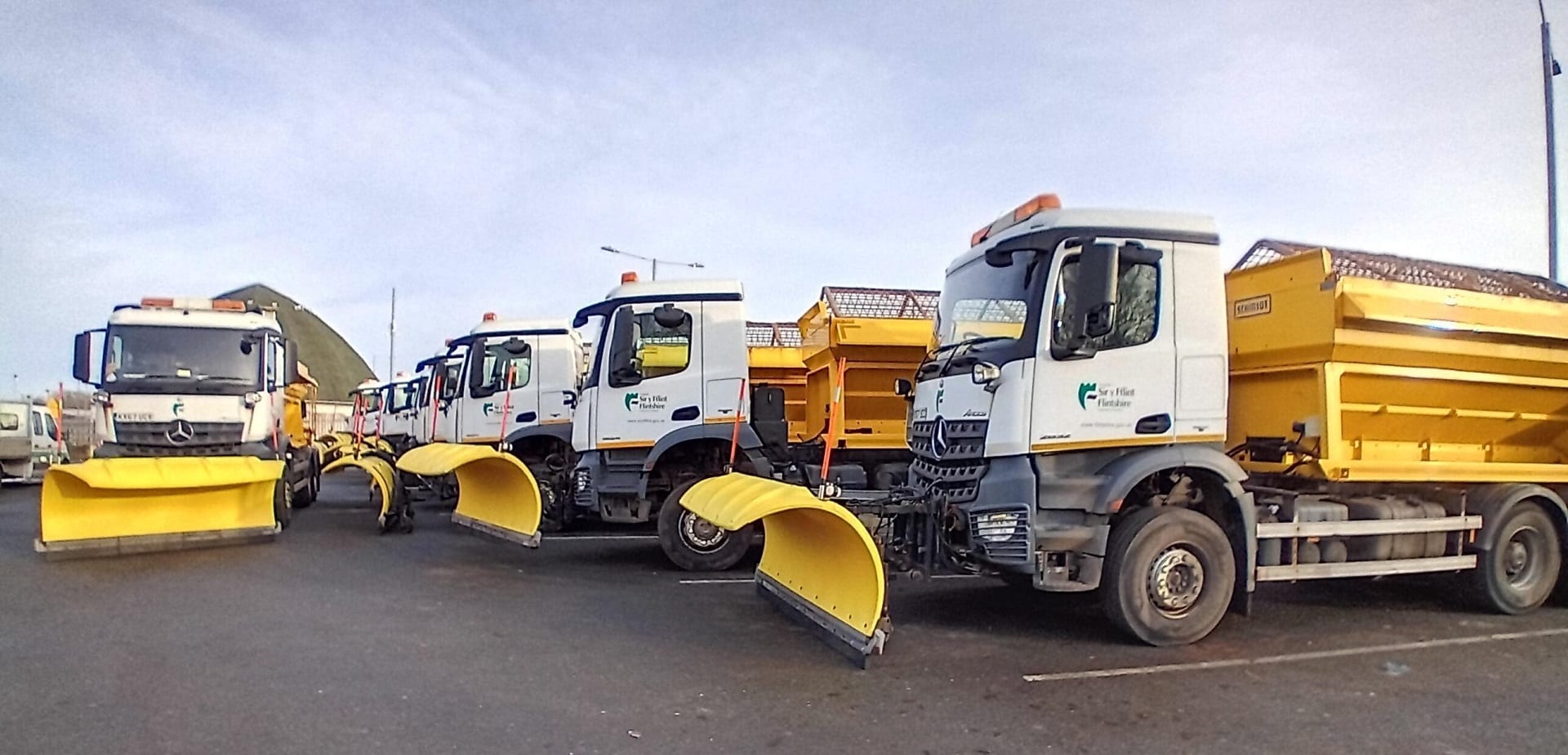 Flintshire ready for winter as new gritters prepare to hit the road
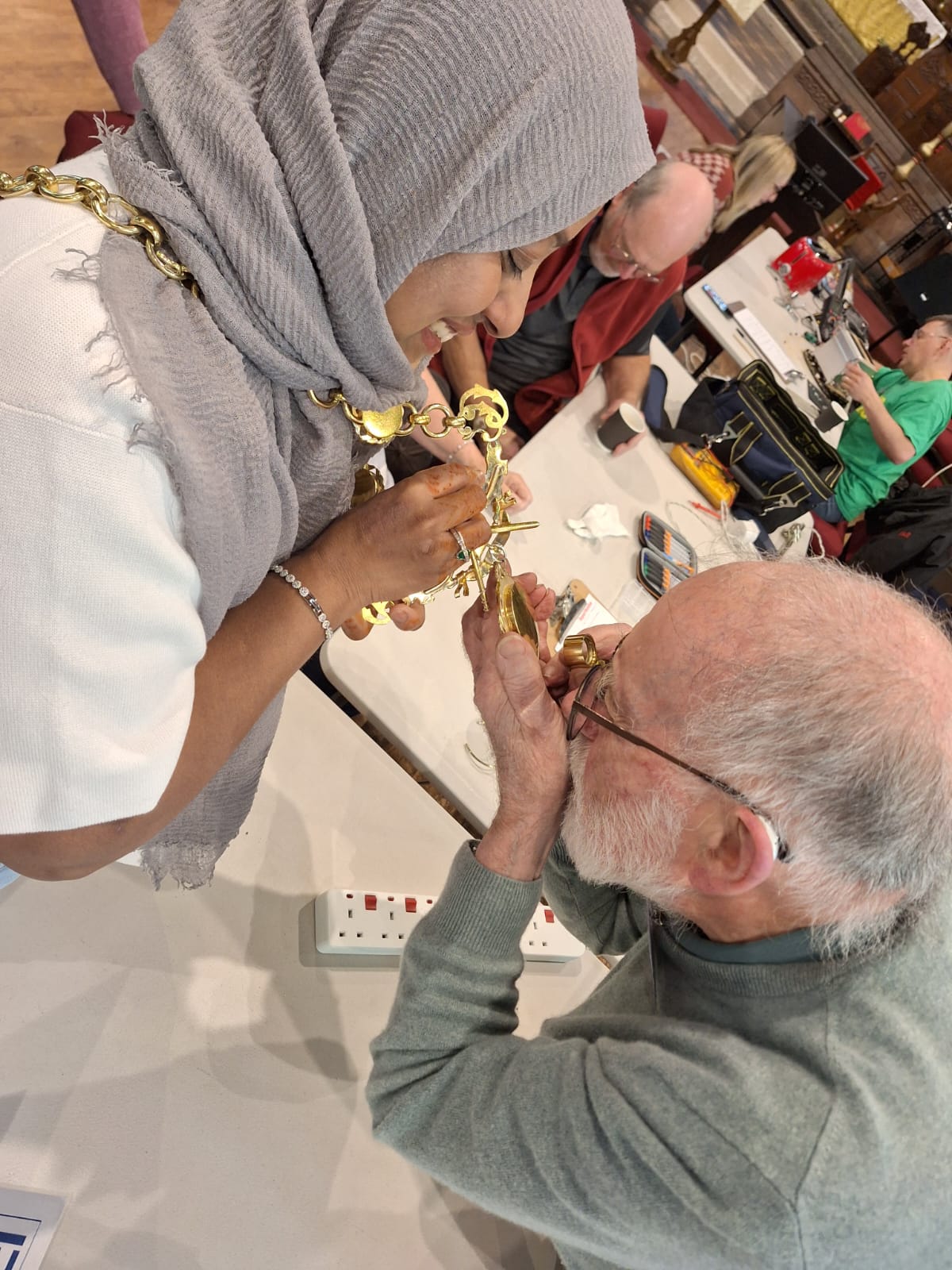 Eco Church brings Repair Cafe to Garden Quarter
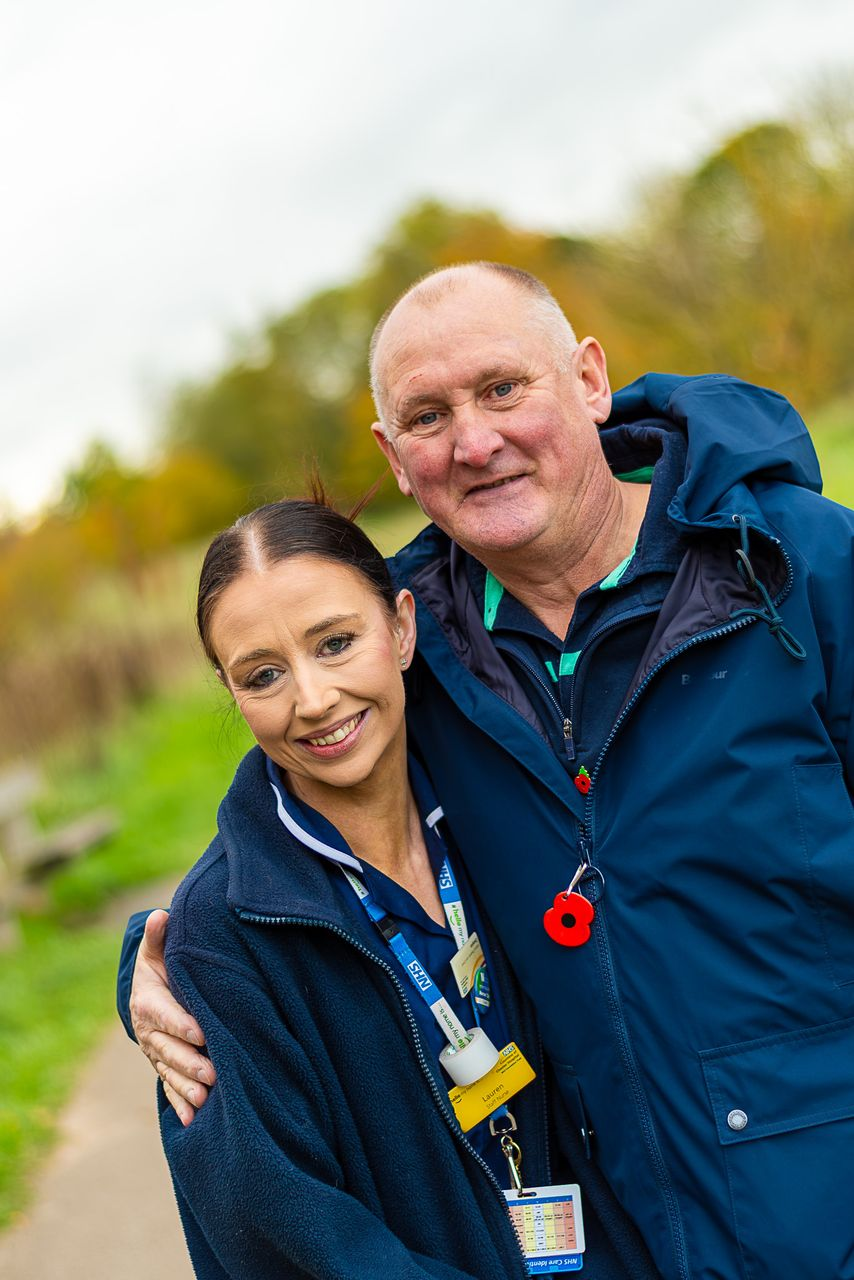 Off-duty Countess helps save man who was 'minutes from death' after cardiac arrest
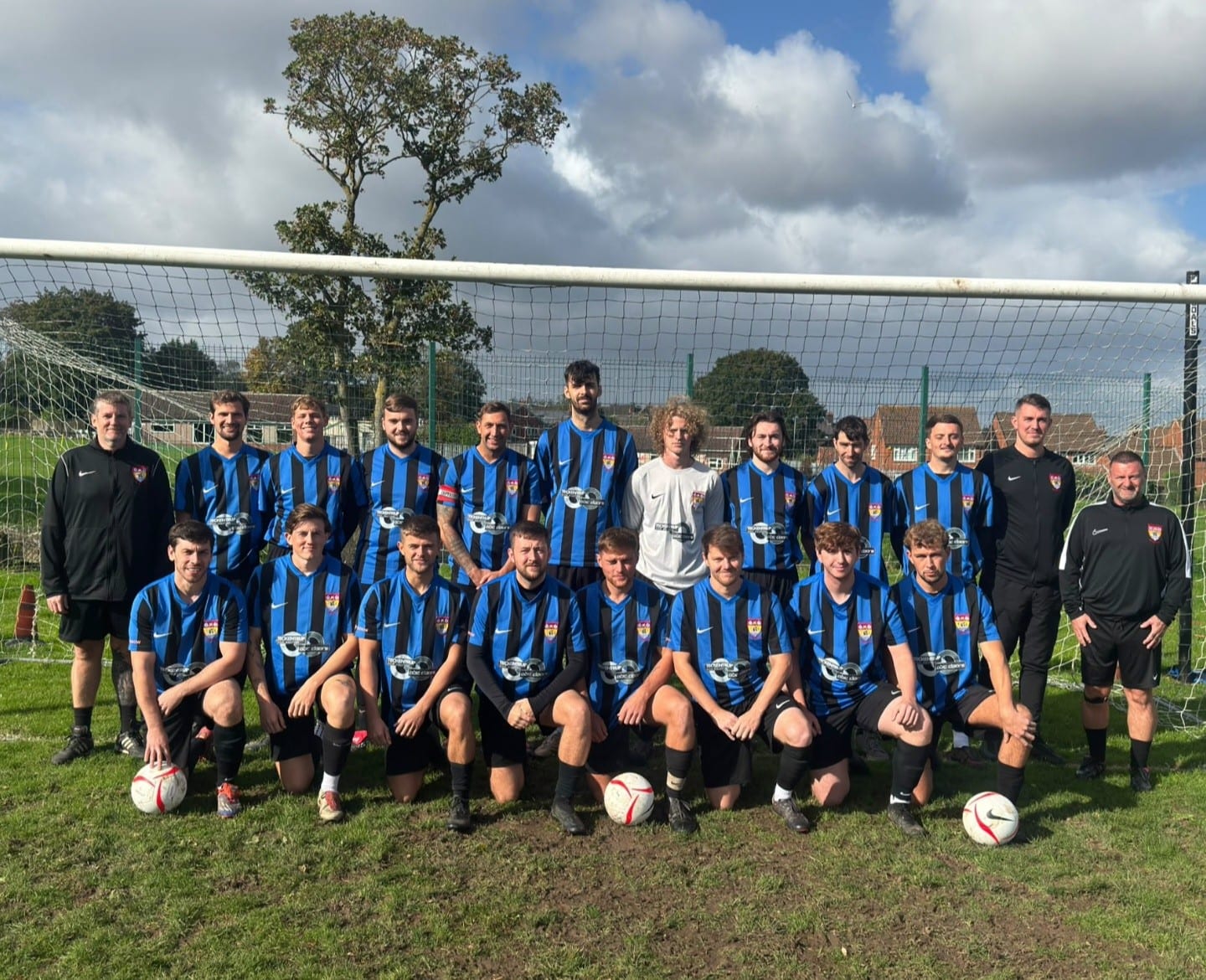 Chester & Wirral Football League - Latest Results
 TOP CHESTER CHOIR KEEN TO HEAR FROM NEW RECRUITS AS OPEN REHEARSAL SET TO BE HELD
 MEMBER OF TALENTED FAMILY HEADING TO CHESTER FOR ORCHESTRA SEASON LAUNCH
 MUSIC SOCIETY CHOIR SET TO PERFORM AT CATHEDRAL CONCERT
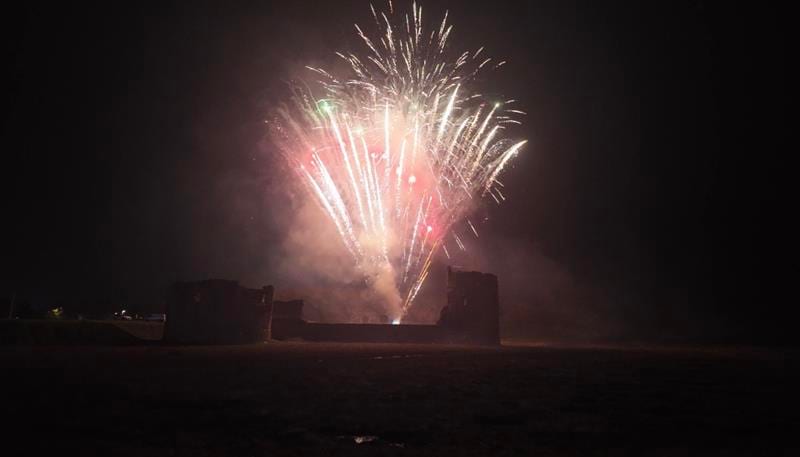 Lighting up the night for a lifesaving cause - Flint RNLI's firework display
 Blues Match Report: Brackley Town 0 - 1 Chester FC
 Blues Match Preview: Brackley Town v Chester FC
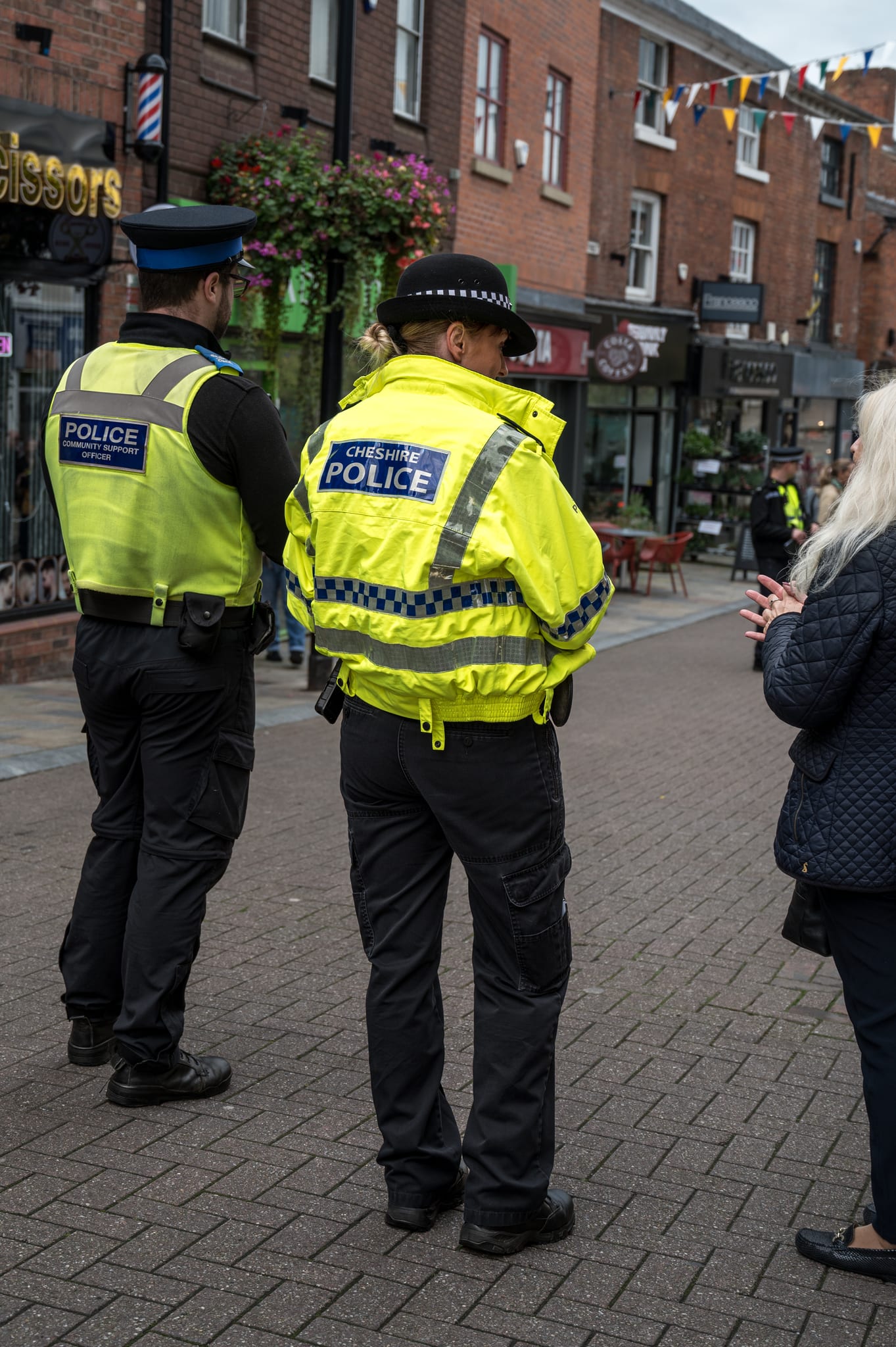 Cheshire Police to join partners for Safer Action Business Action Week
 Four men charged in relation to the supply of cocaine in Ellesmere Port
 KUBE INVITES LOCAL GROUPS TO MAKE ITS SPACE THEIR OWN FOLLOWING FIRST COMMUNITY EVENT
 Council teams gear up for annual leaf clearance operation