Cheshire and Merseyside NHS is teaming up with Black, Asian and Minority Ethnic communities to launch a campaign promoting vaccine safety.
Using insight from local research, representatives from ethnic communities will address questions about the vaccine in a series of radio adverts, posters and social media adverts planned across the local area.
Findings from the research carried out in Cheshire and Merseyside are also being shared with senior health and social care leaders, to help ensure everyone has all the facts around the vaccine and nobody gets left behind.
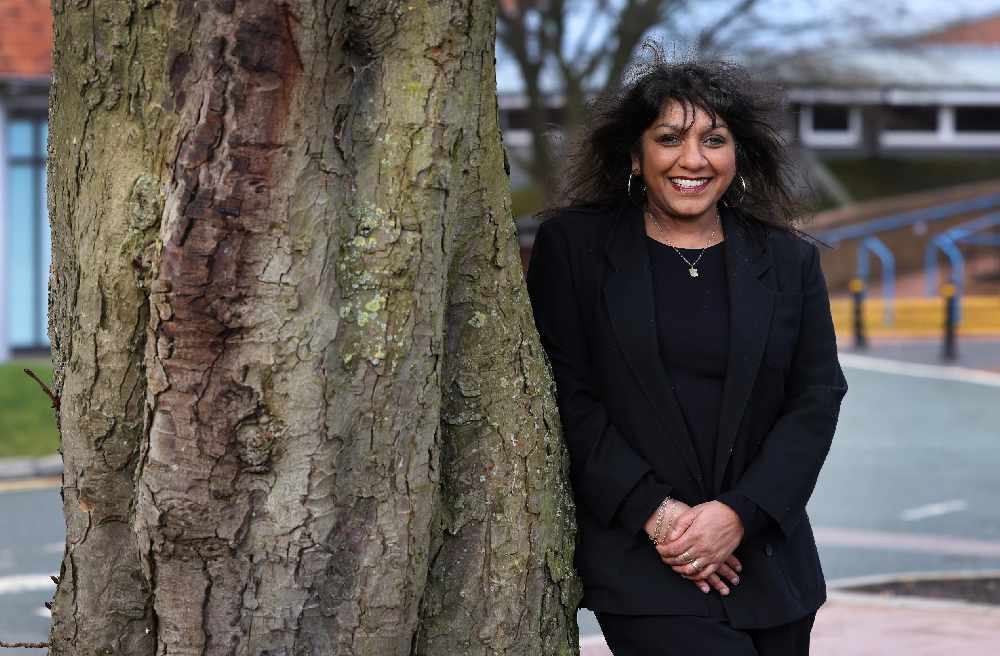
Chester resident Sophia Minshull is encouraging others in the Pakistani Persian community to take up the vaccine as the safest, most effective way to tackle the virus. The 53-year-old mum-of-two was surprised to hear how there were concerns around the vaccine among Muslims. She said:
“My son, who’s 18, is classed as vulnerable after surviving a brain tumour as a child, so he’s been invited to get the vaccine. His first reaction was not to have it because of misinformation he has seen, but we’ve since discussed it and I’ve told him it’s not just him that he’s protecting – it’s everyone around him.
“I’m particularly passionate about encouraging women within ethnic communities to take up the vaccine so they too can be protected and to get the vaccine – it’s vital for not only themselves, but for future generations.”
The research surveyed people across the region from ethnic communities to develop an in-depth understanding of their experiences of COVID-19 and their views towards the vaccination.
It found that concerns about efficacy and fear of potential side effects are among the top reasons why a third (33%) of minority ethnic communities in Cheshire and Merseyside are reluctant to take the COVID-19 vaccine.
Although overall uptake of the vaccine amongst the first four priority groups is now just under 90%, the uptake in Cheshire is 73% amongst ethnic minority communities, which is a concern, given the fact that these communities are being disproportionately affected by the virus.
Ian Ashworth, Director of Public Health at Cheshire West and Chester Council said: “It is clear from scientific evidence that the vaccine is safe. We have now given over 17 million doses of the vaccine in England. The NHS would not offer any COVID-19 vaccinations to the public until it was safe to do so and the evidence shows that the vaccine is effective.
“It is more important than ever that we reassure everyone about how safe and effective the vaccine is. We are already working closely with communities across the borough to help build vaccine confidence. Our community leaders are sharing their positive stories about the vaccine, helping to provide the facts to community groups and showing how safe, effective and easy it is to get the COVID-19 vaccine.
“We are acting on the information that our communities are telling us to help address the concerns with different groups and meet their needs, including a targeted campaign which we will launch across Cheshire and Merseyside this week.”
Clare Watson, Accountable Officer for NHS Cheshire CCG, said: “It’s critical to understand and differentiate the concerns amongst different ethnic minority groups in relation to COVID-19 and their views on public health messaging. We will continue to work hard to gain a better understanding of ethnic communities so we can ensure we’re doing everything we can to address the specific concerns people have.”
The study, which was co-funded by Cheshire and Merseyside Health and Care Partnership, NHS England and NHS Improvement, Public Health England and Cheshire and Merseyside’s Directors of Public Health, surveyed 636 people from across Cheshire and Merseyside.
Additional report findings:
· Over half of all those surveyed (51%) agreed that they felt more at risk from COVID-19, with over half (55%) of those who felt at risk stating that they perceived being part of an ethnic minority community as their biggest risk factor
· The biggest barrier to take up was fear of how well the vaccine works, with 42% reporting this
· 40% of those surveyed were also worried about the potential side effects
· Fears about catching COVID-19 when leaving the house to get the vaccine was also relatively high, reported by 29% of respondents
· Acceptance to take the vaccine was higher among NHS workers (77%), however there was still some resistance reported, with a quarter of NHS workers (24%) being non acceptors of the vaccine, 77% of these non-acceptors were women.
· The report shows acceptance is highest amongst those currently being offered the vaccination; over three-quarters (88%) of over 65-year-olds said they would take the vaccine, in comparison to only 59% of 16 to 24-year-olds.
· Acceptance to take the vaccine was lower in more deprived areas with 33% reporting a reluctance, compared to only 17% reporting a reluctance in less deprived areas.
A link to the full report is available here: Cheshire & Merseyside BAME research: COVID Vaccine
Further information about the work the Cheshire and Merseyside Health and Care Partnership is doing for these communities and its wider work is available here.
Pictured - Chester resident Sophia Minshull.
 Family pay tribute to 24-year-old woman who died following fatal collision in Barton
 Safer access improvements to begin in Penyffordd
 Local MP to Host International Women’s Day Coffee Morning for Local Residents
 £1.5 million boost for Flintshire town centres and community facilities
 Blues Match Report: Leamington 0 - 2 Chester FC
 Blues Match Preview: Leamington v Chester FC
 Ellesmere Port man admits selling fake Taylor Swift tickets
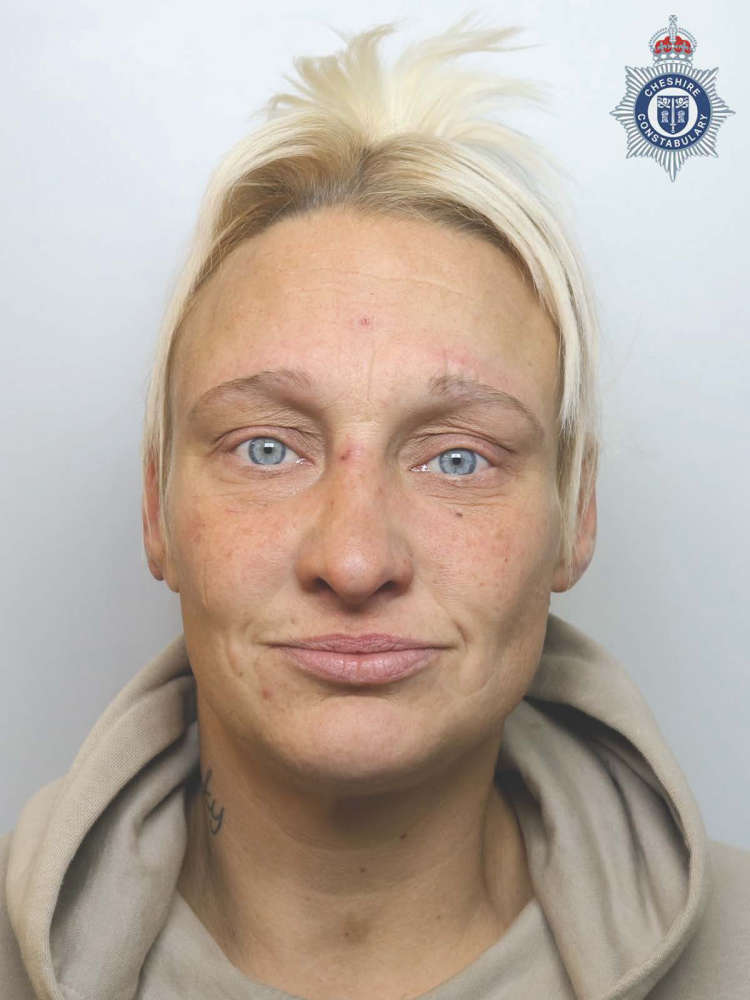 Woman banned from areas of Ellesmere Port following successful CBO application
 Council invites tenders from mobile food and drink traders for five greenspace sites
 Garden waste subscriptions: New stickers to support reliable collections
 Cheshire Police Commissioner revealed to be billing luxury car costs to taxpayer.
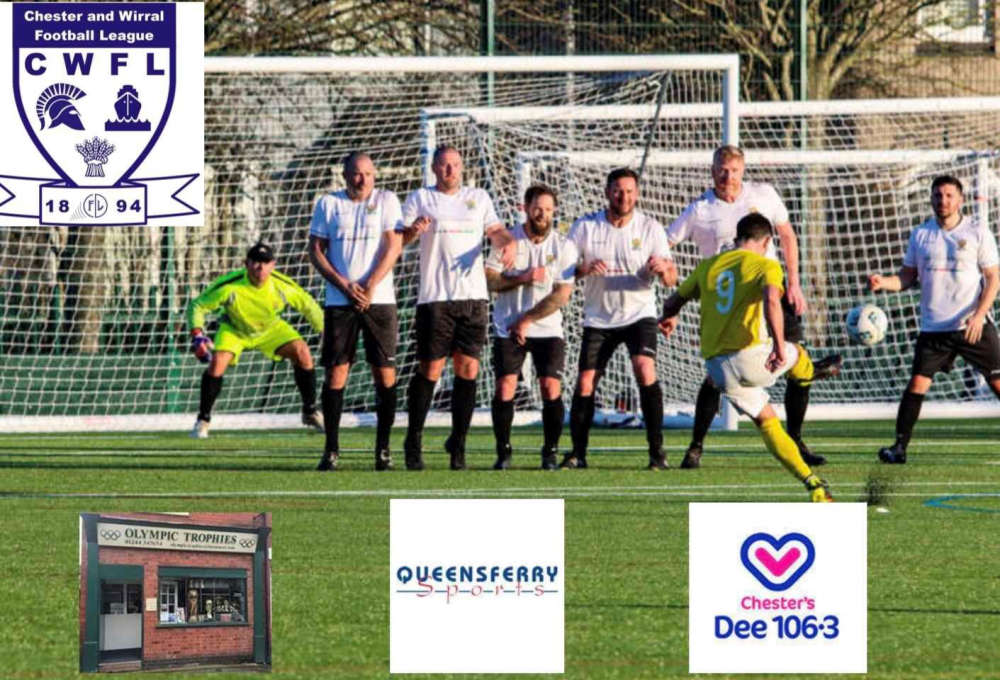 Chester and Wirral Football League - Weekend Round Up
 Appeal for information following fail to stop collision near Runcorn
 Council launches Triumph Together: A new programme supporting care-experienced young people
Comments
Add a comment