

A rare anoa - the world’s smallest species of buffalo - has been born at Chester Zoo.
The tiny arrival arrived to mum Darcy after a 10-month-long pregnancy, weighing just 7kg and standing at around 50cm tall. Anoa stand at barely a metre tall when fully grown.
Zookeepers have revealed the newborn is female and named her Mentari, which means ’the sun’ in Malay language.
Now, at just two weeks old, she has left her den and embarked on her very first outdoor adventure – with the special moment caught on camera.
Lowland anoa are found in the forests and swamps of a single Indonesian island, Sulawesi. Their numbers have been devastated by habitat loss. As forests are cleared for agriculture and mining, populations become fragmented, making it easier for hunters to find and kill anoa.
Conservationists at the zoo say the new arrival is vitally important to the future of the species.
Emma Evison, Team Manager at the zoo, said:
“Mum Darcy and her new baby are doing brilliantly. After spending her first couple of weeks bonding with mum in the safety of their cosy den, the little one has grown in strength and confidence and is now beginning to explore the outside world. She’s already showing plenty of personality and seeing her take those first steps outside is a real privilege - it’s something very few people will ever get the chance to witness.
“Every anoa birth is hugely important for the future of this endangered species. Across the European conservation breeding programme, our scientists here at Chester Zoo monitor the fertility and pregnancies of anoas, helping to build a healthy, genetically diverse population and giving this remarkable species the best possible chance of survival.”
With fewer than 2,500 remaining in the wild, anoa are listed as endangered by the International Union for the Conservation of Nature (IUCN) - the second highest priority on the scale before the species reaches extinction in the wild.
Chester Zoo is also part of a wider global partnership working to secure a future for anoas.
Amy Humphreys, South East Asia field conservationist with Chester Zoo, said:
“For more than a decade, we’ve been part of a global effort involving more than 50 organisations to help safeguard the long-term survival of the anoa and three other highly threatened species found across South East Asia – the banteng, babirusa and Sumatran tiger.”
Amy is the programme coordinator for the IUCN Asian Wild Cattle Specialist Group, which recently brought together conservationists from around the world to set out species-saving actions. These include boosting anoa numbers in conservation zoos.
She added:
“Our aim is to make sure the precious genetic diversity of these amazing animals is not lost forever. To do this, our plans include scientific monitoring of anoas, new local education programmes in Indonesia, raising global awareness of the threats anoas face, and coordinating conservation breeding programmes. This new calf, born as part of that international effort, will now go on to play an important role in protecting the future of her species.”
Anoa facts:
- The anoa calf was born at 3pm on Saturday 27 June 2026.
- The anoa, named after the Sulawesi word for “buffalo”, is the smallest species of wild cattle and typically grows to a metre or less in height
- They live in forests and swamps on the Indonesian island of Sulawesi
- Lowland anoa, as the name suggests, can be found in low-lying regions of swampy forest
- They are listed as Endangered by the International Union for the Conservation of Nature (IUCN), and face a high risk of extinction in the wild
- It is estimated that fewer than 2,500 mature individuals remain
- Numbers have been declining throughout Sulawesi because of hunting and habitat loss, with forest being cut down for agriculture
- Very little is known about the ecology and life history of the anoa, though Chester Zoo scientists are learning more about their reproduction, which has helped us boost their numbers
- The species is generally solitary, though calves will live with their mothers until they are weaned
Pictured - Rare anoa calf born at Chester Zoo steps out for the first time.
 Continued parking chaos at Wrexham Maelor Hospital
 Residents invited to have their say on draft Transformation Strategy
 Family of "beautiful" son who died following Chester collision pay tribute
 Chester and Wirral Football League - Weekend Round Up
 Back to the Future event to be held at Picturehouse Cinema
 Children and families in Cheshire to benefit from new Child Focused Courts approach
 Residents invited to help shape the future of Whitby Park
 WREXHAM COMMUNITY THEATRE COMPANY RETURNS WITH BRAND NEW SHOW IN TIME FOR HALLOWEEN
 Blues Match Report: Lower Breck 1 - 2 Chester
 Appeal for information following serious collision in Chester
 Parents warn of “catastrophic tragedy” as school transport cuts leave 11-year-olds stranded on the A41
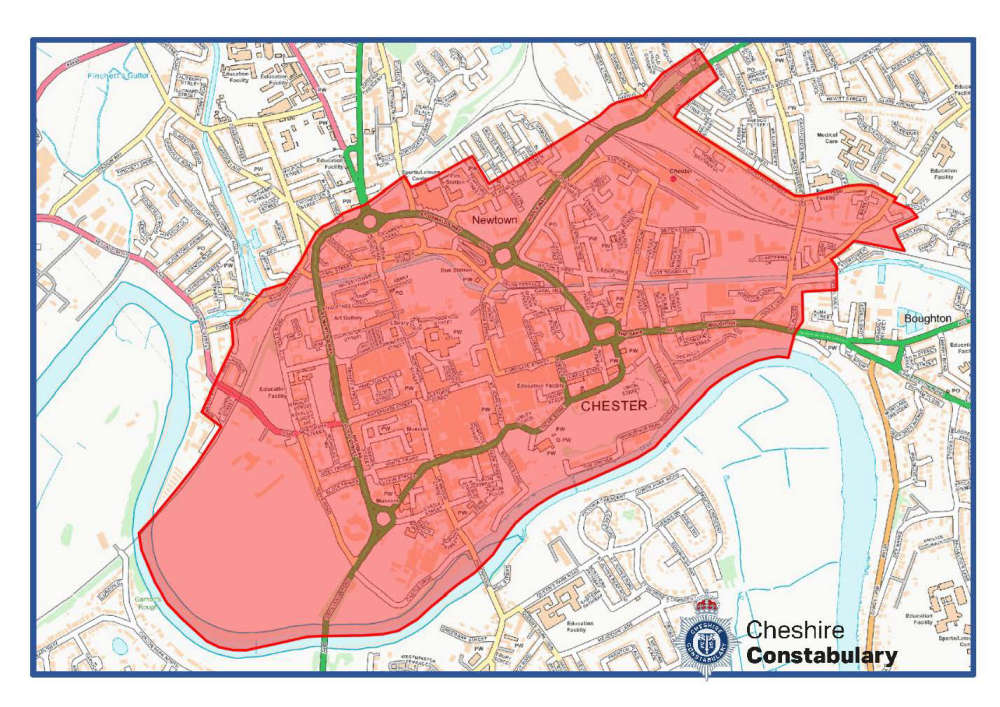 Live Facial Recognition technology to be deployed in Chester this weekend
 Road to reopen as part of town centre
 £1 bus travel launched for young people across Cheshire West and Chester
 Peak Cluster carbon capture and pipeline project in Cheshire West and Chester
 Officers out in force in Blacon for Operation Decisive
 Neighbourhood Plan and Neighbourhood Development Order finalised for Blacon
Comments
Add a comment