

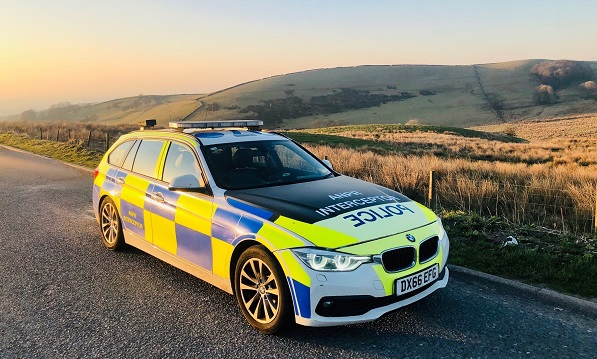
Be prepared and make sure your vehicle is ready for winter by following the check-list below.
Driving safely in winter
Do not wait for the wintry weather to arrive. Our weather can be unpredictable - severe weather conditions can arise when least expected and be extremely dangerous if you're out on the road.
Always carry an emergency kit. Suggested items are also listed below.
If your journey is not ESSENTIAL the best way to stay safe in bad weather is to STAY OFF the roads.
Is your vehicle winter ready?
Regularly servicing, and checking your vehicle is in good running order before setting out will reduce your chances of breaking down on the road. It's worth making these checks regularly - and particularly before a long winter journey:
Is the battery fully charged? Replace it if it's not completely reliable.
Are your lights clean and all working. Carry spare bulbs.
Change your windscreen wiper blades if they are worn
Check your fluid levels, screen wash, engine oil, anti-freeze in radiator
Use a higher concentration of screen wash to prevent freezing
Check all windows are clean
Ensure your tyres are correctly inflated and replace them before the tread has reached the legal minimum. Check your tyre pressures (refer to the owners handbook) & tread depth (min 1.6mm)
Consider booking your car into a reputable garage for a winter service for extra peace of mind.
Check your emergency kit is complete
Just gather together the items below and pack in the car at the start of the winter season. You never know when you might need them.
Your emergency kit should include:
Ice scraper, de-icer and dry cloths
Torch and spare batteries - or a wind-up torch
Warm clothes and blankets - for you and any passengers
Waterproof boots
First aid kit
Jump leads
A shovel
Piece of old carpet. Grit based cat litter is also useful and convenient to carry
Road atlas
Sunglasses (for low winter sun and the glare off snow which can be dazzling)
High visiblity vest
Warning triangle
Setting off
We would advise you not to travel in severe weather if you can possibly avoid it.
However, if the journey is unavoidable, there are a few things you should do before each journey in severe weather.
Check your emergency kit.
Check tyres.
Check lights and wipers.
Clean windscreen, windows and mirrors.
Clear any snow off the roof of the vehicle before you drive away.
Clear any snow and ice from all windows, lights and number plates. Make sure you can see clearly and be seen.
Make sure your mobile phone is fully charged - but don't use while driving.
Take some food and a warm drink in a flask in case you get stuck.
Don't forget to take any personal medication too!
Driving through ice and snow
If you find yourself out and about in severe weather conditions:
Make sure the windscreen, back and side windows are thoroughly de-iced on the outside and clear on the inside before setting off. Don't simply clear a 'porthole' to look through.
Lower your speed in poor visibility and poor driving conditions. It's better to drive slowly and smoothly to avoid braking sharply.
Use the highest gear possible to avoid wheel spin, without increasing your speed.
Select 2nd gear when pulling away, easing your foot off the clutch gently to avoid wheel spin.
Brake gently to avoid locking the wheels. Get into a low gear earlier than normal and allow the speed of the vehicle to fall gradually.
Maintain at least a 10 second gap between you and the vehicle in front. It takes 10 times further to stop in icy conditions than on a dry road.
Use headlights whenever visibility is reduced - for example, early morning, at dusk, when it's raining or in any gloomy conditions.
Don't dazzle others with your main beam.
When driving downhill, choose second or third gear to prevent skidding.
Take corners very slowly and steer gently and steadily, rather than with jerky movements, to avoid skidding.
Never brake if the vehicle skids. Instead, ease off the accelerator and steer slightly into the direction of the skid until you gain control.
If you do get stuck, straighten the steering and clear the snow from the wheels to give the tyres some grip. Once on the move again, try not to stop until you reach firmer ground.
If your vehicle breaks down, pull off the road as far as possible and switch on the hazard warning lights.
Warning
Look out for winter service vehicles spreading salt or using snow ploughs.
Maintain a safe distance behind salting vehicles. They have flashing amber beacons and travel at slower speeds - around 40mph.
Do not overtake unless it is indicated as safe to do so - there may be uncleared snow on the road ahead.
Travel warnings are broadcast regularly on Chester's Dee Radio and also check the North Wales Police website for the latest on road closures:
 Continued parking chaos at Wrexham Maelor Hospital
 Residents invited to have their say on draft Transformation Strategy
 Family of "beautiful" son who died following Chester collision pay tribute
 Chester and Wirral Football League - Weekend Round Up
 Back to the Future event to be held at Picturehouse Cinema
 Children and families in Cheshire to benefit from new Child Focused Courts approach
 Residents invited to help shape the future of Whitby Park
 WREXHAM COMMUNITY THEATRE COMPANY RETURNS WITH BRAND NEW SHOW IN TIME FOR HALLOWEEN
 Blues Match Report: Lower Breck 1 - 2 Chester
 Appeal for information following serious collision in Chester
 Parents warn of “catastrophic tragedy” as school transport cuts leave 11-year-olds stranded on the A41
 Live Facial Recognition technology to be deployed in Chester this weekend
 Road to reopen as part of town centre
 £1 bus travel launched for young people across Cheshire West and Chester
 Peak Cluster carbon capture and pipeline project in Cheshire West and Chester
 Officers out in force in Blacon for Operation Decisive
 Neighbourhood Plan and Neighbourhood Development Order finalised for Blacon
Comments
Add a comment