

Large community and religious WhatsApp groups are being targeted by scammers who infiltrate them to try and deceive their members into sending them money.
|
Since January of this year, 268 people have reported falling victim to this scam. The fraud often begins when a member of the group receives a WhatsApp audio call from the fraudster, pretending, or claiming, to be a member of the group. This is done in order to gain the individual’s trust, and often the scammer will use a false profile picture and / or display name, so at first glance it would appear to be a genuine member of the group. The fraudster will then call the victim and say they are sending a one-time passcode which will allow them to join an upcoming video call for group members. The scammer then asks the victim to share this passcode with them so they can be “registered” for the video call. What’s really happening is that the scammer is asking for a registration code to register the victim’s WhatsApp account to a new device where they then “port” their WhatsApp profile over. Once the fraudster has access to the victim’s WhatsApp account, they will enable two-step verification which makes it impossible for the victim to access their account. The scammer will then message other members of the group, or friends and family in the victim’s contacts, asking them to transfer money urgently as they are in desperate need of help. Oliver Shaw, Detective Chief Superintendent and Head of Action Fraud and the National Fraud Intelligence Bureau (NFIB) said:“WhatsApp continues to be a popular platform for community and religious groups, but sadly also for fraudsters. Here, the scammers rely on the goodwill of group members and their intrinsic desire to help others in distress. “We urge people always to be wary when receiving contact via WhatsApp or other messaging platforms. This is particularly the case when being asked to provide account information – despite the fact that you may recognise the individual’s profile picture and / or name. “Never share your account information with anyone, and if you think it’s a fraudulent approach, report the message and block the sender within WhatsApp. To make your account more secure, we advise setting up two-step verification to provide an extra layer of protection. This makes it increasingly more difficult for fraudsters to gain access to somebody else’s WhatsApp account”. Analysis of Action Fraud reports indicate that victims targeted by this scam are often part of large WhatsApp community, alumni and academic, work groups, and religious groups (such as church or prayer groups). What can you do to avoid being a victim?
|
 Continued parking chaos at Wrexham Maelor Hospital
 Residents invited to have their say on draft Transformation Strategy
 Family of "beautiful" son who died following Chester collision pay tribute
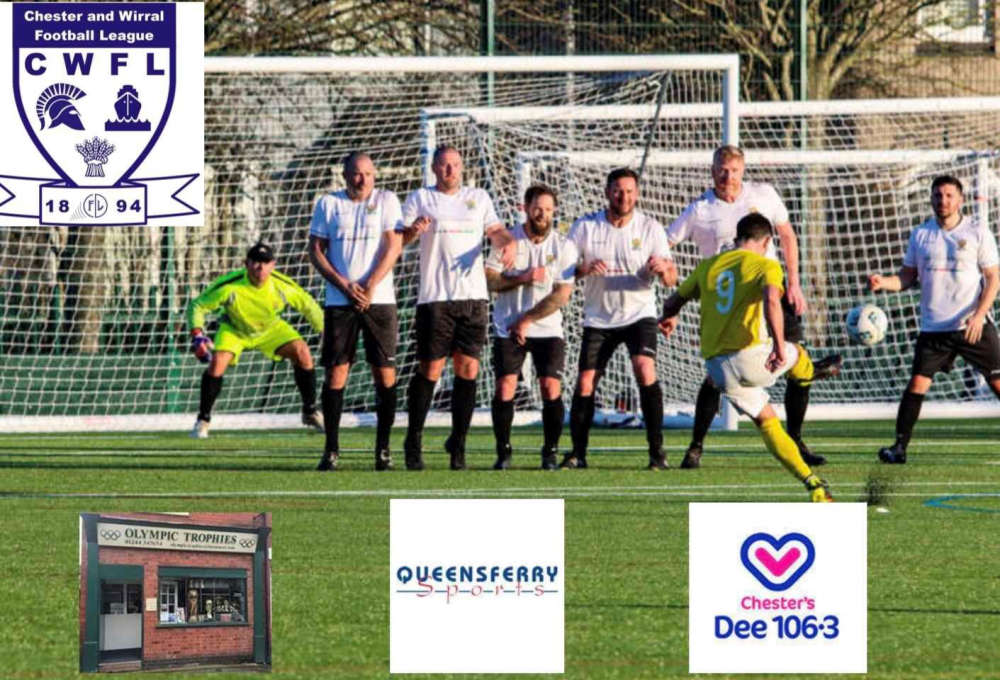 Chester and Wirral Football League - Weekend Round Up
 Back to the Future event to be held at Picturehouse Cinema
 Children and families in Cheshire to benefit from new Child Focused Courts approach
 Residents invited to help shape the future of Whitby Park
 WREXHAM COMMUNITY THEATRE COMPANY RETURNS WITH BRAND NEW SHOW IN TIME FOR HALLOWEEN
 Blues Match Report: Lower Breck 1 - 2 Chester
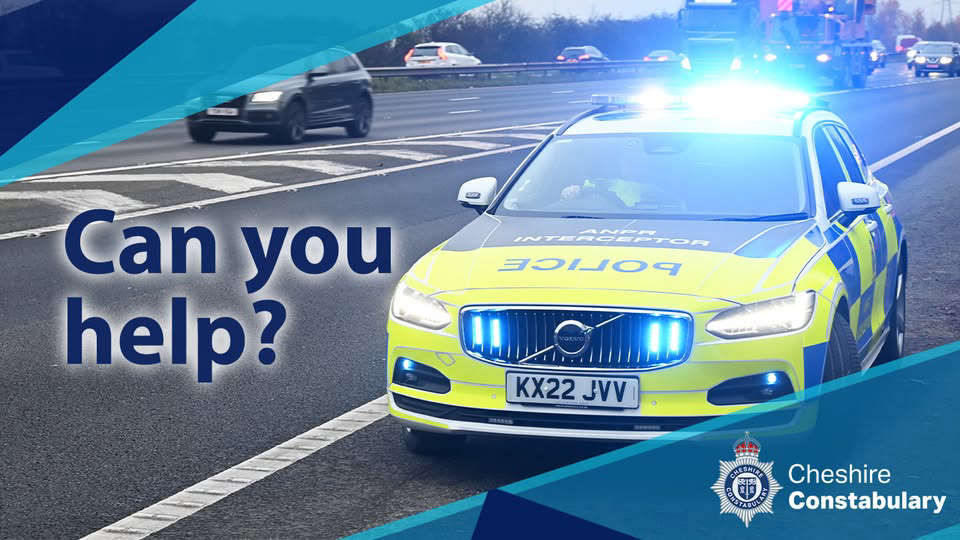 Appeal for information following serious collision in Chester
 Parents warn of “catastrophic tragedy” as school transport cuts leave 11-year-olds stranded on the A41
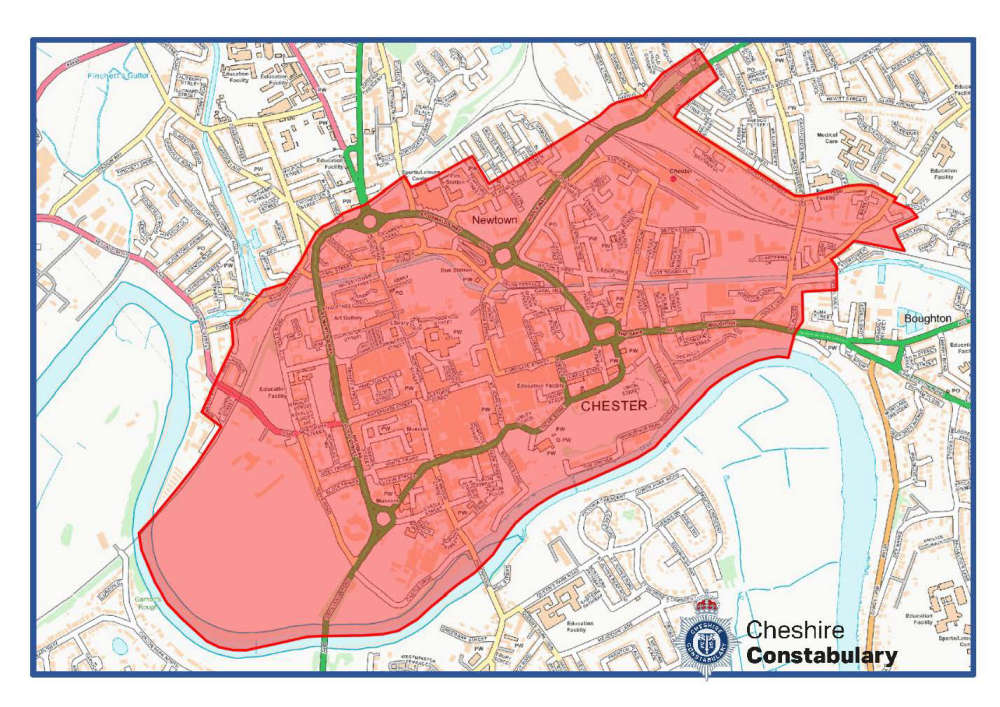 Live Facial Recognition technology to be deployed in Chester this weekend
 Road to reopen as part of town centre
 £1 bus travel launched for young people across Cheshire West and Chester
 Peak Cluster carbon capture and pipeline project in Cheshire West and Chester
 Officers out in force in Blacon for Operation Decisive
 Neighbourhood Plan and Neighbourhood Development Order finalised for Blacon
Comments
Add a comment