

The number of people accessing operations in Cheshire and Merseyside is up by 7% - with 19,000 more patients being operated on compared to the previous 12 months.
This means that participating Cheshire and Merseyside hospitals are now amongst the top 25% nationally when it comes to ‘theatre utilisation’, with three local hospitals (East Cheshire Trust, Liverpool Women’s and Liverpool Heart & Chest) now in the top 10 nationally.
During the COVID-19 pandemic, many local hospitals had to reduce the number of patients being operated on due to strict social distancing and infection, prevention and control requirements.
Since COVID-19 restrictions have eased, it has been challenging to return to the number of operations that were being carried out pre-pandemic due to workforce issues, a shortage of hospital beds and booking and scheduling challenges.
To address the problem Cheshire and Merseyside’s Elective Recovery and Transformation Programme launched a ‘theatres improvement project’, working with local hospitals to increase the number of operations being carried out.
Nationally, a target of 85% ‘theatre utilisation’ has been set to drive up the number of operations being carried out. This target includes measures to capture the time spent giving clinical care, such as administering anaesthetic and undertaking surgical procedures.
The target is set below 100% to allow for changeovers between operations, cleaning procedures and unavoidable cancellations (for example due to patient illness on the day of operation).
Cheshire and Merseyside’s Theatres Improvement Project has developed a dashboard and tools to support participating hospitals to maximize the number of operations being carried out.
Each hospital continues to use these resources to reduce ‘theatre downtime’ where it is safe to do so, improve booking and scheduling procedures and increasing the number of operations being carried out.
Dr Sinead Clarke, Associate Medical Director for System Quality and Improvement, Cheshire and Merseyside Integrated Care System, said:
“This project has been instrumental in providing quicker access to surgical procedures for thousands of patients in Cheshire and Merseyside – improving theatre utilisation through better booking and scheduling of operations, which in turn is reducing waiting lists, and, most importantly, improving people’s outcomes.”
Dr Michael Gregory is regional medical director for NHS England North West and said:
“NHS staff are working extremely hard to deliver the Elective Recovery Plan, applying the same determination displayed throughout the pandemic to address backlogs in routine care and reduce long waits. The Theatre Improvement Project in Cheshire and Merseyside provides a new way of working, as well as additional capacity, which will mean that we can continue to make progress with bringing down waiting times.”
 Children and families in Cheshire to benefit from new Child Focused Courts approach
 Stoptober encourages residents to quit smoking as 100-day countdown to a smoke-free generation begins
 Residents invited to help shape the future of Whitby Park
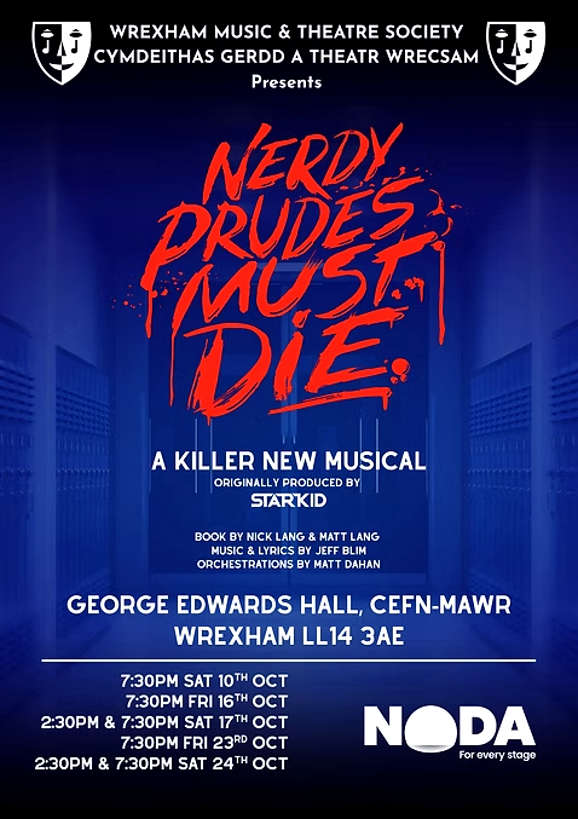 WREXHAM COMMUNITY THEATRE COMPANY RETURNS WITH BRAND NEW SHOW IN TIME FOR HALLOWEEN
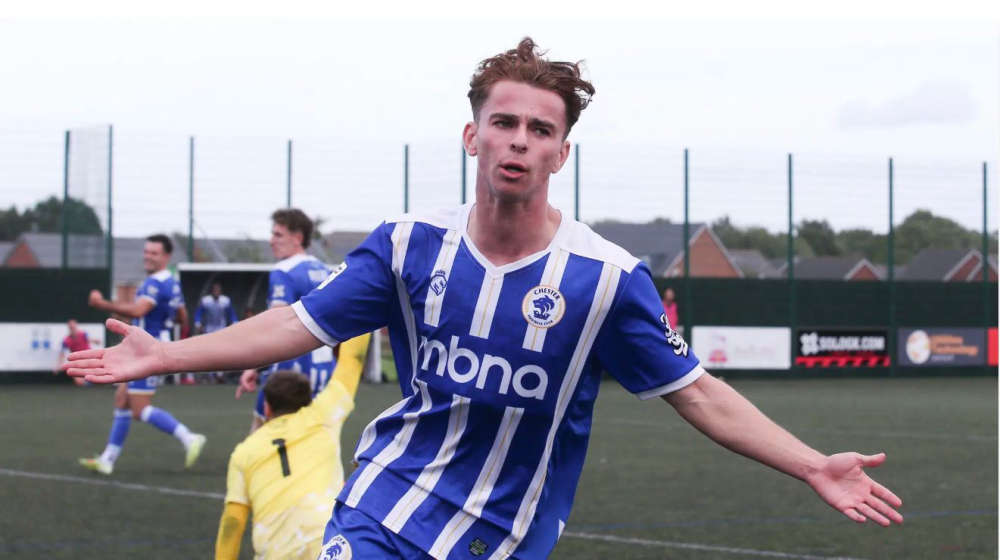 Blues Match Report: Lower Breck 1 - 2 Chester
 Appeal for information following serious collision in Chester
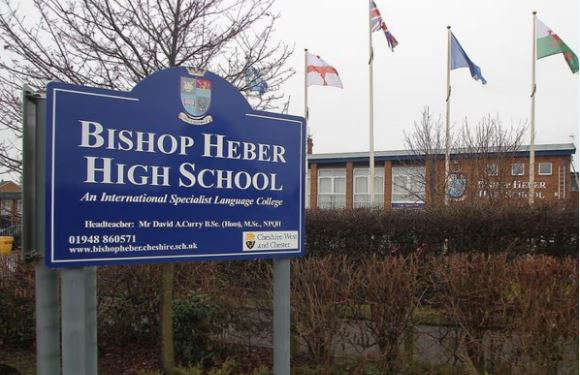 Parents warn of “catastrophic tragedy” as school transport cuts leave 11-year-olds stranded on the A41
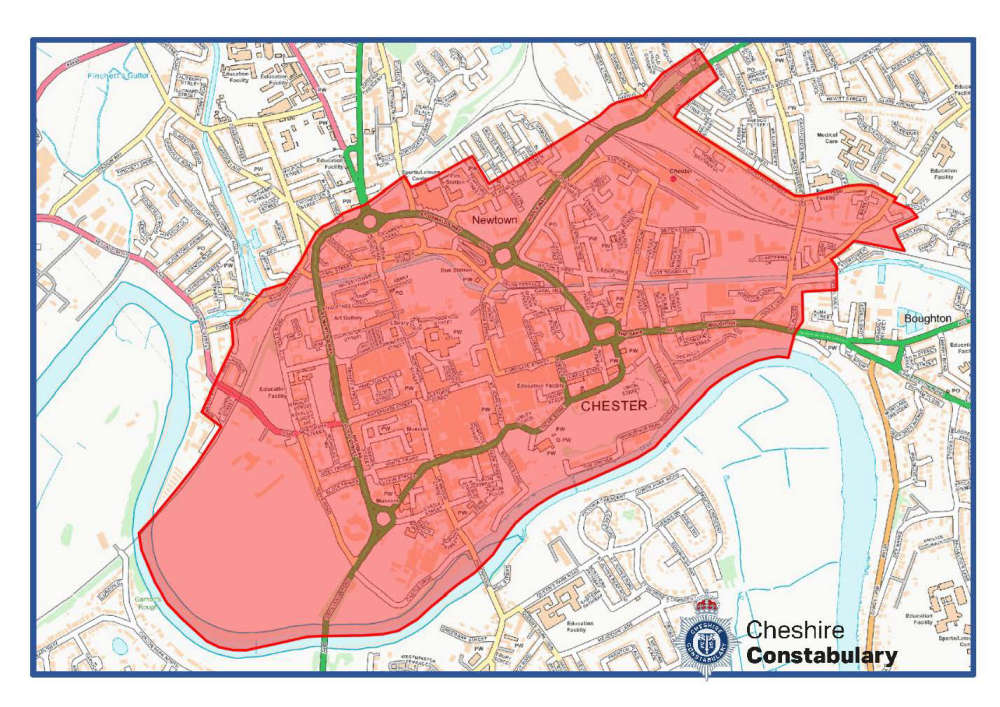 Live Facial Recognition technology to be deployed in Chester this weekend
 Road to reopen as part of town centre
 £1 bus travel launched for young people across Cheshire West and Chester
 Peak Cluster carbon capture and pipeline project in Cheshire West and Chester
 Officers out in force in Blacon for Operation Decisive
 Neighbourhood Plan and Neighbourhood Development Order finalised for Blacon
 Free Park and Ride service available for Mold Food and Drink Festival visitors
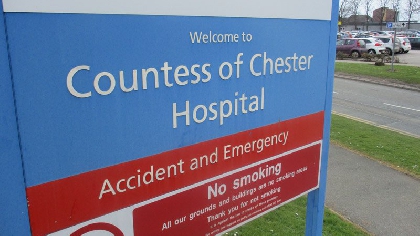 Countess of Chester Hospital NHS Foundation Trust’s response to the Thirlwall Inquiry
 Cheshire Police statement following the publication of the Thirlwall Inquiry report
Comments
Add a comment