


A group of nutritional experts from across the country, including one from Chester University, is calling for urgent action to be taken to address health inequalities – with particular emphasis on the importance of looking after your heart, post the pandemic.
The British Association for Cardiovascular Prevention and Rehabilitation (BACPR), the British Dietetic Association (BDA) and the Public Health Nutrition Specialist Group (PHNSG) have issued a joint statement on nutrition and cardiovascular health through the British Journal of Cardiology. The full statement can be accessed here.
The COVID-19 pandemic has had a substantial impact upon the cardiovascular health of the population. This has been both in terms of those individuals who were already at higher cardiovascular risk, have diabetes and/ or high blood pressure experiencing severe cases of COVID-19; and data showing that those experiencing possible heart attack symptoms have been putting off seeking medical advice. In Scotland, the importance of a new heart disease strategy is also being discussed.
The statement has been compiled by academics and experts from the University of Chester; Norfolk and Norwich University Hospital; Central London Community NHS Trust; the University of Leeds; Imperial College Healthcare NHS Trust; 20-20 Nutrition; Leeds Beckett University; and the Pennine Acute Hospitals NHS Trust.
Writing in the paper, lead author, Dr Tom Butler, Senior Lecturer in Nutrition and Dietetics at the University of Chester, said: “Cardiovascular disease (CVD) risk can be decreased through supporting the nation to modify its diet. For this to be effective at a population level, there must be substantial action to address health inequalities, targeting those who are most vulnerable and also younger members of society as a means of better prevention.”
The statement explores how changes in lifestyle during the COVID-19 pandemic have had the potential to negatively impact on heart health – and on a person’s CVD risk. These have included reports of increased sales of alcohol; changes in people’s eating habits; and changes in people’s ability and inclination to exercise. A recent paper has suggested almost a third of its respondents reported weight gain since lockdown – and a fifth reported weight loss. The pandemic appears to have had varying effects on weight, depending on circumstances.
Ultra-processed foods, such as biscuits, cakes and crisps, can negatively impact heart health. One of the aspects of this is through the increase in fat tissue, which may negatively impact on a person’s inability or inclination to do exercise – which leads to a decrease in cardio-respiratory fitness. This may have been compounded for some by the effects of lockdown and beyond, especially for those living in confined environments, and the more vulnerable groups. A decrease in the number of minutes spent active during the day will also have impacted negatively on muscle mass and function – which is important from a cardiovascular health perspective.
The paper also states: ‘It is important to recognise that there are no studies showing a direct effect on any diet pattern on COVID infection rates, or recovery. However, it is possible that there may be dietary patterns as yet determined, which have contributed either positively or negatively to emerging statistics between different groups within the population. It is also crucial to recognise that areas with the highest deprivation also show the greatest COVID-19 death rates and these same areas also show the highest rates of obesity. There must be a focus on addressing excess weight at a population level in order to mitigate future cardiovascular risk.’
The group concludes: ‘Stricter regulations of food composition and manufacturing processes are needed. Addressing the wider issues of accessing affordable, healthier food is also important to reduce inequalities in cardiovascular health. Healthy food should be made more clearly and credibly labelled and public health messages need to reinforce the importance of healthy lifestyle behaviours, in addition to awareness around COVID-19. Addressing the issues raised by our group is not an easy task and requires everyone in society to collectively improve the health of the nation. We believe that it is time to act now more than ever.’
Recommendations for nutritional priorities for good heart health include:
- Adequate protein from a range of sources must be encouraged. These should be both nutritious and affordable, Good quality animal and plant protein, such as lean meat, fish, dairy, eggs, and pulses and nuts.
- Foods higher in fibre should be encouraged. For example, wholemeal bread and pasta. Non-starchy vegetables.
- Decreases in saturated fat may only be of use if replaced by beneficial nutrients. (Reducing consumption of baked goods is more advantageous than reducing consumption of dairy foods, for the equivalent amount of saturated fat.)
- Eat foods naturally rich in unsaturated fats. For example – nuts, seeds and oily fish.
- Include plenty of fruit and vegetables. Especially root vegetables, green leafy vegetables and a variety of fruits. Ideally fresh or frozen fruit.
- Those who drink alcohol to consume no more than 14 units a week, with one to two alcohol free days a week. Avoid binge drinking.
Useful guidance on the symptoms of heart disease and a heart attack can be found on the British Heart Foundation website: https://www.bhf.org.uk/. It is essential to dial 999 if you have symptoms that could be a heart attack.
Pictured - Dr Tom Butler, Senior Lecturer in Nutrition and Dietetics at the University of Chester.
 Children and families in Cheshire to benefit from new Child Focused Courts approach
 Stoptober encourages residents to quit smoking as 100-day countdown to a smoke-free generation begins
 Residents invited to help shape the future of Whitby Park
 WREXHAM COMMUNITY THEATRE COMPANY RETURNS WITH BRAND NEW SHOW IN TIME FOR HALLOWEEN
 Blues Match Report: Lower Breck 1 - 2 Chester
 Appeal for information following serious collision in Chester
 Parents warn of “catastrophic tragedy” as school transport cuts leave 11-year-olds stranded on the A41
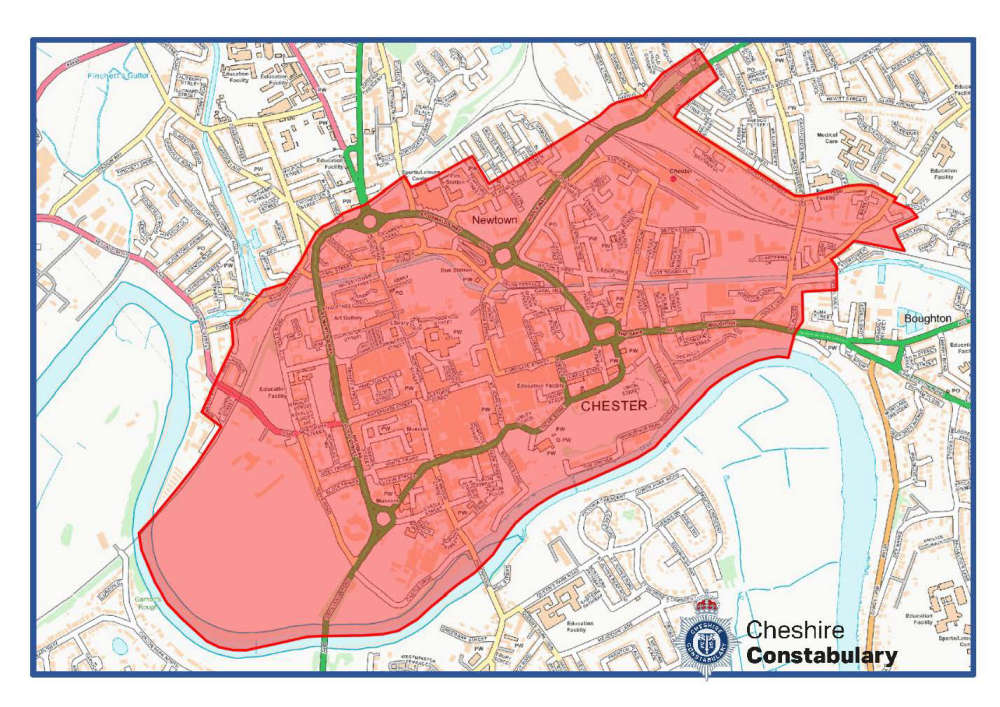 Live Facial Recognition technology to be deployed in Chester this weekend
 Road to reopen as part of town centre
 £1 bus travel launched for young people across Cheshire West and Chester
 Peak Cluster carbon capture and pipeline project in Cheshire West and Chester
 Officers out in force in Blacon for Operation Decisive
 Neighbourhood Plan and Neighbourhood Development Order finalised for Blacon
 Free Park and Ride service available for Mold Food and Drink Festival visitors
 Countess of Chester Hospital NHS Foundation Trust’s response to the Thirlwall Inquiry
 Cheshire Police statement following the publication of the Thirlwall Inquiry report