

Cheshire West and Chester Council is responding to a national call to action for the next stage of the response to Coronavirus.
The Council will be part of a national network of ‘hubs’ which will provide targeted support for those people at higher risk of severe illness from COVID-19 (as opposed to other groups who will also be taking precautions).
Councillor Louise Gittins, Leader of Cheshire West and Chester Council said: “People at the highest risk from the Coronavirus are being advised by the NHS to protect themselves through isolation from others for 12 weeks. This will be a huge challenge for them personally, and they will need support and solidarity from family and friends, the local community, and their Council. Physical distance does not need to mean social isolation. The Council is preparing to provide support, through our local hubs, and to tap into the huge and encouraging response from community organisations and volunteers across the borough. We will be releasing more information on the steps we are taking over the next few days.”
Shielding is a measure to protect people who are clinically extremely vulnerable by minimising all interaction between those who are extremely vulnerable and others. The government is strongly advising people with serious underlying health conditions (listed below) which put them at very high risk of severe illness from Coronavirus (COVID-19) to rigorously follow shielding measures in order to keep themselves safe.
People falling into this extremely vulnerable group include:
- Solid organ transplant recipients.
- People with specific cancers:
- people with cancer who are undergoing active chemotherapy or radical radiotherapy for lung cancer
- people with cancers of the blood or bone marrow such as leukaemia, lymphoma or myeloma who are at any stage of treatment
- people having immunotherapy or other continuing antibody treatments for cancer
- people having other targeted cancer treatments which can affect the immune system, such as protein kinase inhibitors or PARP inhibitors
- people who have had bone marrow or stem cell transplants in the last six months, or who are still taking immunosuppression drugs.
- People with severe respiratory conditions including all cystic fibrosis, severe asthma and severe chronic obstructive pulmonary disease (COPD).
- People with rare diseases and inborn errors of metabolism that significantly increase the risk of infections (such as severe combined immunodeficiency (SCID), homozygous sickle cell).
- People on immunosuppression therapies sufficient to significantly increase risk of infection.
- Women who are pregnant with significant heart disease, congenital or acquired.
View the government’s guidance on shielding and protecting extremely vulnerable people from COVID-19.
 Children and families in Cheshire to benefit from new Child Focused Courts approach
 Stoptober encourages residents to quit smoking as 100-day countdown to a smoke-free generation begins
 Residents invited to help shape the future of Whitby Park
 WREXHAM COMMUNITY THEATRE COMPANY RETURNS WITH BRAND NEW SHOW IN TIME FOR HALLOWEEN
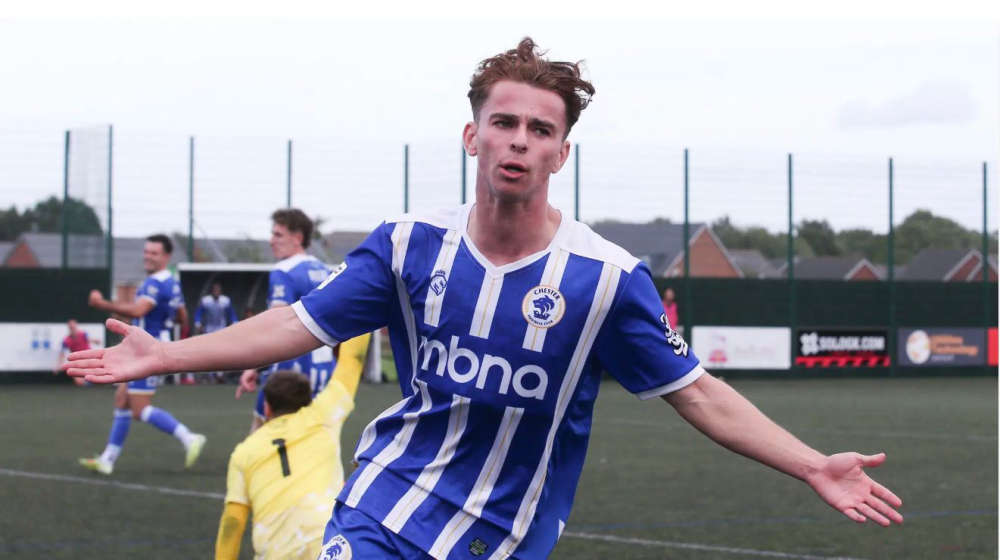 Blues Match Report: Lower Breck 1 - 2 Chester
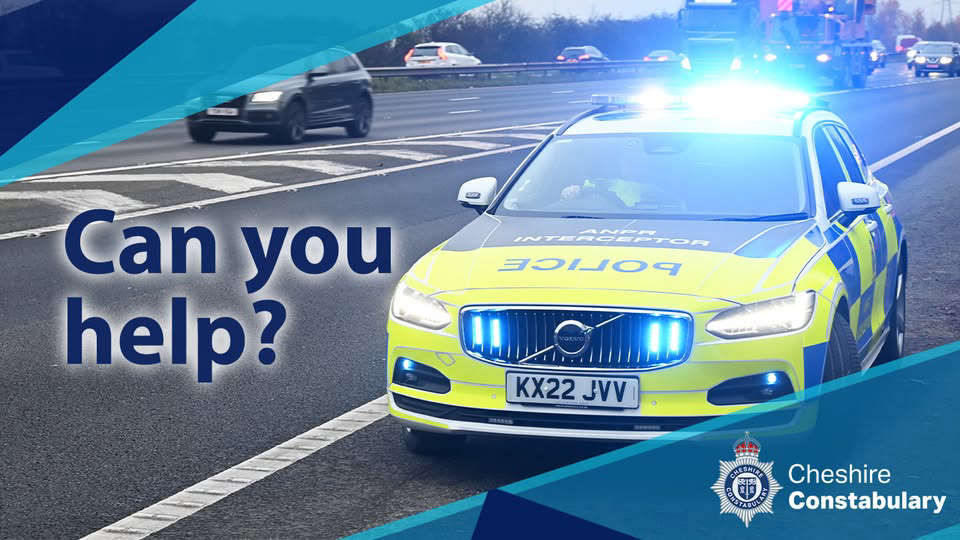 Appeal for information following serious collision in Chester
 Parents warn of “catastrophic tragedy” as school transport cuts leave 11-year-olds stranded on the A41
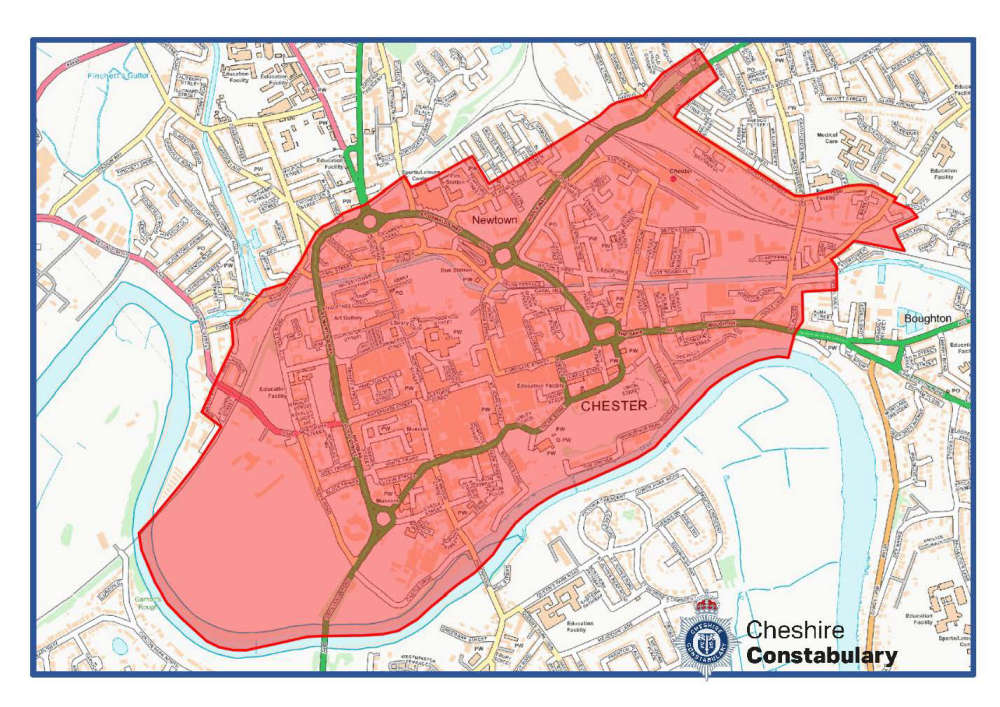 Live Facial Recognition technology to be deployed in Chester this weekend
 Road to reopen as part of town centre
 £1 bus travel launched for young people across Cheshire West and Chester
 Peak Cluster carbon capture and pipeline project in Cheshire West and Chester
 Officers out in force in Blacon for Operation Decisive
 Neighbourhood Plan and Neighbourhood Development Order finalised for Blacon
 Free Park and Ride service available for Mold Food and Drink Festival visitors
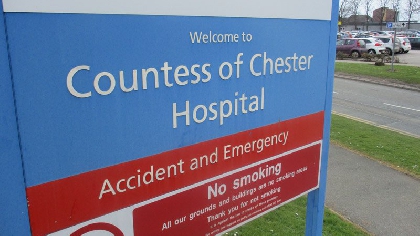 Countess of Chester Hospital NHS Foundation Trust’s response to the Thirlwall Inquiry
 Cheshire Police statement following the publication of the Thirlwall Inquiry report