

Chester Zoo has launched a major new programme designed to help visitors improve their wellbeing by immersing themselves in nature.
Experts at the Cheshire-based conservation charity will run a series of activities from January 17th until the end of March.
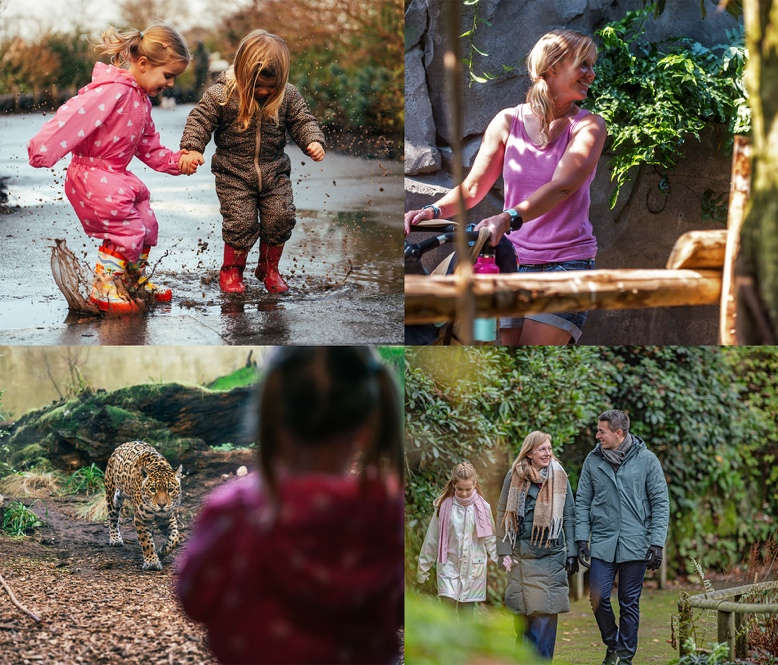
These include app-guided and accessible ‘wild walks’, buggy fitness sessions for parents, nature play activities, immersive animal talks, and monthly members’ days, aimed at encouraging people to spend time together in nature.
To mark the campaign launch, and to encourage people to get out and about at the start of the year, adult entry to the zoo has been reduced to £25 for January.
The wellbeing initiative comes as Chester Zoo scientists carry out a cross-continental study examining how zoo visits affect visitor wellbeing, learning and environmental awareness, adding to a growing body of research into the health benefits of time spent in natural environments.
The study has been designed by conservation scientist Bridget Johnson, who is undertaking research supported by Nottingham Trent University, and is preparing to survey Chester Zoo visitors.
Bridget Johnson said:
“There’s a real and growing body of evidence that spending time in green spaces, surrounded by plants and animals, is good for you. “There’s also evidence that the more immersive the experience is, and the more actively engaged with it, the greater those benefits tend to be.”
Ms Johnson said zoos offer opportunities for “intense connections” with nature, through animal experiences, talks and structured activities, as well as quieter moments of observation.
She added:
“Reading interpretation boards, listening to ranger talks and taking time to stop and watch animals can all help people get more out of a visit,”
“Research suggests visitors spend just a few seconds looking into an animal habitat before moving on if they don’t immediately see something. Slowing down and giving yourself more time can make a difference.”
She highlighted areas such as Monsoon Forest, the lemur habitat, Butterfly Journey and Hidden Savannah as particularly immersive environments.
She went on to say:
“Stepping into these multi-textured spaces can help people feel more connected to nature and support wellbeing,”
Ms Johnson’s study will make use of self-reported data where visitors evaluate how a zoo visit has impacted them. Her work references existing physiological evidence for increased wellbeing.
She said:
“One study showed that salivary cortisol (stress hormone) levels dropped when people went through a lemur walkthrough. Other studies show that blood pressure can reduce around waterscapes.”
She suggested visitors take time to watch animals in ‘blue spaces’, such as the giant otters and penguins, and species like piranhas and gharials in their indoor habitats.
The new programme of events takes place alongside previously established and popular activities like Zoo tots and the Memory Café.
Jess Hitchmouth, Wildlife & Wellbeing Assistant Manager, said:
“Our clearly marked out routes and pathways allow for different levels of physical activity and abilities. A brisk walk covering areas as far apart as the snow leopards to the Monsoon forest for example can feel really invigorating, or a gentle stroll between a couple of your favourite spots could be just what you need.
“Sharing in the joy and excitement of encountering the animals around the zoo also helps to bring family and friends together, sparks conversation and creates lasting memories.”
The zoo’s education team said the programme has been designed for people of all ages and encourages self-guided exploration, which can have wellbeing benefits.
Lyndon Howson, Chester Zoo’s Wildlife and Wellbeing Officer, said:
“One of the best things you can do is to slow down and notice what’s around you. That might be a bird, a leaf, the sound of rain in a puddle or the scent of a flower.”
He added that the zoo can function as both a social space and a place for quiet reflection, depending on what visitors are looking for:
“A lot of people come here because they know they’ll share something in common with others - a love of animals. It often leads to easy, organic conversations.
“But if you want peace and quiet, you can find that too. I often practise mindfulness exercises in the zoo’s Sunken Garden. There’s something about the thick planting and the way sound is softened that makes it feel peaceful. It helps me feel grounded.”
Further details of Chester Zoo’s new wellbeing programme can be found at:
www.chesterzoo.org/get-back-to-nature.
Information about the associated scientific survey will be released in the coming weeks.
Factfile: Scientific Evidence:
Research issued as recently as this month supports the idea that access to green spaces and exposure to nature have a positive effect on people's health and happiness, including older adults and children, and that nature-connectedness helps people imagine biodiverse, hopeful futures.
A 2017 meta study of outdoor blue spaces found "consistent evidence of positive associations" between access to these spaces and mental health and physical activity, corroborated by multiple studies.
A 2020 study provided evidence that a relatively brief walk through a lemur habitat reduced indicators of stress in humans.
Chester Zoo is contributing to the scientific understanding of the social and educational value of zoos. In addition to Bridget Johnson's ongoing study, zoo scientists have proposed a theoretical framework to help evaluate how well zoo spaces fulfil these roles. Their work has been peer reviewed and published in journals.
Pictured - The wellbeing programme includes messy play, buggy fitness sessions and app-guided walks.
 Children and families in Cheshire to benefit from new Child Focused Courts approach
 Stoptober encourages residents to quit smoking as 100-day countdown to a smoke-free generation begins
 Residents invited to help shape the future of Whitby Park
 WREXHAM COMMUNITY THEATRE COMPANY RETURNS WITH BRAND NEW SHOW IN TIME FOR HALLOWEEN
 Blues Match Report: Lower Breck 1 - 2 Chester
 Appeal for information following serious collision in Chester
 Parents warn of “catastrophic tragedy” as school transport cuts leave 11-year-olds stranded on the A41
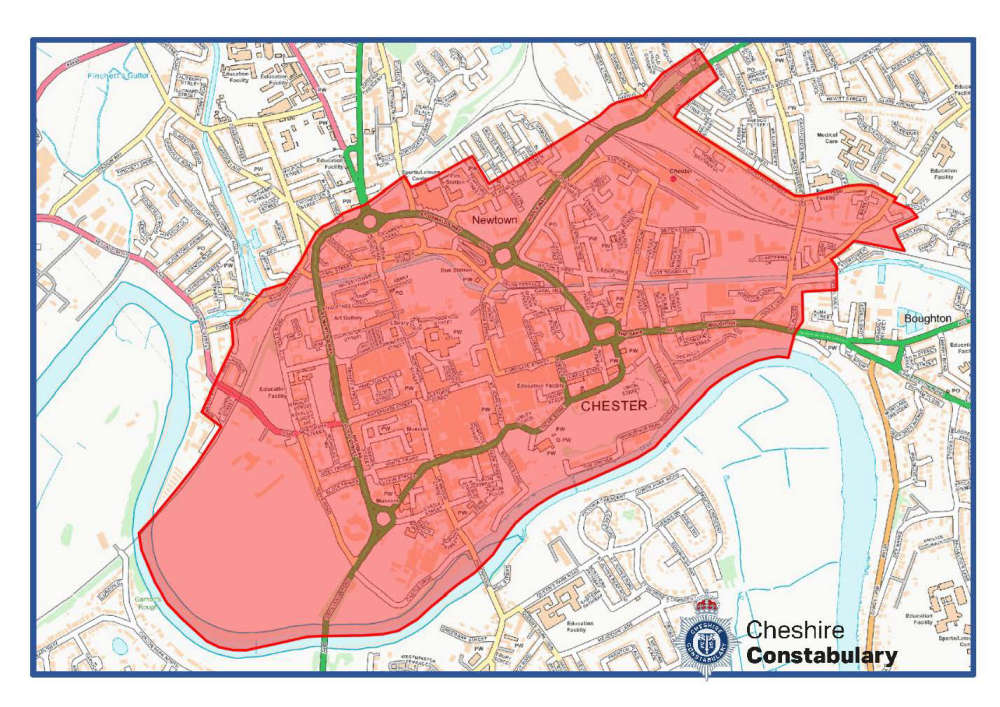 Live Facial Recognition technology to be deployed in Chester this weekend
 Road to reopen as part of town centre
 £1 bus travel launched for young people across Cheshire West and Chester
 Peak Cluster carbon capture and pipeline project in Cheshire West and Chester
 Officers out in force in Blacon for Operation Decisive
 Neighbourhood Plan and Neighbourhood Development Order finalised for Blacon
 Free Park and Ride service available for Mold Food and Drink Festival visitors
 Countess of Chester Hospital NHS Foundation Trust’s response to the Thirlwall Inquiry
 Cheshire Police statement following the publication of the Thirlwall Inquiry report
Comments
Add a comment