

Grosvenor Park’s popular archaeological training excavation is returning to discover more about the past of Chester’s historic Grade II registered park.
From Monday 24 April until Friday 19 May University of Chester archaeology students will be learning practical fieldwork skills from local professional archaeologists. The excavation is run by West Cheshire Museums and is a partnership project between Cheshire West and Chester Council and the University of Chester’s Department of History and Archaeology.
The training excavations have been running since 2007 with over 330 students taking part, learning how to excavate and record the remains of nearly 2,000 years of activity within the area of the modern park. Their enthusiasm and willingness to engage with visitors has earned them much praise. As well as passing on skills to the archaeologists of the future, the project aims to find out more about the historic landscape surrounding Chester’s Roman amphitheatre and how the abandoned amphitheatre influenced the development of the area where the Church of St John the Baptist and Grosvenor Park now stand.
The remarkable discoveries made since 2007 include a Roman road leading towards the amphitheatre, a very large Saxon ditch, and a substantial medieval stone wall and ditch running north-south across the park, which probably enclosed the precinct surrounding St John’s church. In the late 16th century Sir Hugh Cholmondeley converted buildings at the eastern end of the precinct into a grand house that was later destroyed in the English Civil War, evidence of this destruction has also been found along with military equipment.
This year the excavation hopes to find answers to some of these questions:
- Is there any evidence for prehistoric buildings or farming similar to that found at the amphitheatre?
- Were there any buildings by the side of the Roman road?
- Was the Saxon ditch part of a fortification?
- What was happening in this corner of St John’s precinct in the later medieval period?
- What changes did Sir Hugh Cholmondeley make when he first bought the land?
If you would like to have a closer look at the excavations and the objects that have been discovered, there will be an open afternoon on Tuesday 16 May 1.30 pm to 4.30 pm, the event is free, and no booking is necessary. Visitors are also welcome to view the excavation Monday to Friday 9.30 am to 12.30 pm and 1.30 pm to 4.30 pm when students will be pleased to answer questions about their work and discoveries.
Students and staff will also be posting regular updates on their social media channels, follow this year’s discoveries #DigChester on:
Twitter @cwacmuseums and @HistArchChester
Facebook @GrosvenorMuseumAndStrettonWaterMill and @ArchaeologyChester
or Instagram @HistArchChester
You can find out more about the University of Chester’s degrees in Archaeology:
https://www1.chester.ac.uk/departments/history-and-archaeology
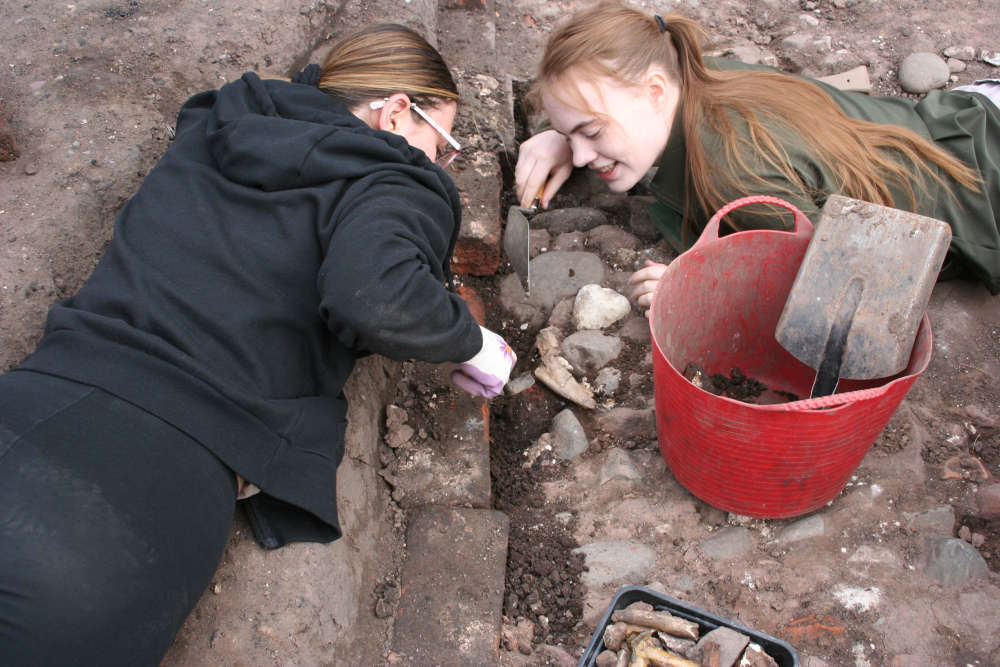
Pictured - Uncovering a mediaeval cobbled surface.
 Continued parking chaos at Wrexham Maelor Hospital
 Residents invited to have their say on draft Transformation Strategy
 Family of "beautiful" son who died following Chester collision pay tribute
 Chester and Wirral Football League - Weekend Round Up
 Back to the Future event to be held at Picturehouse Cinema
 Children and families in Cheshire to benefit from new Child Focused Courts approach
 Residents invited to help shape the future of Whitby Park
 WREXHAM COMMUNITY THEATRE COMPANY RETURNS WITH BRAND NEW SHOW IN TIME FOR HALLOWEEN
 Blues Match Report: Lower Breck 1 - 2 Chester
 Appeal for information following serious collision in Chester
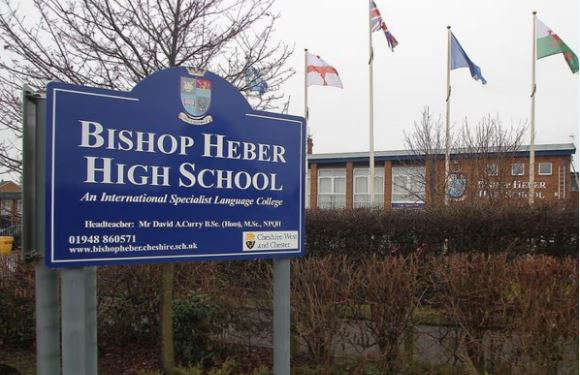 Parents warn of “catastrophic tragedy” as school transport cuts leave 11-year-olds stranded on the A41
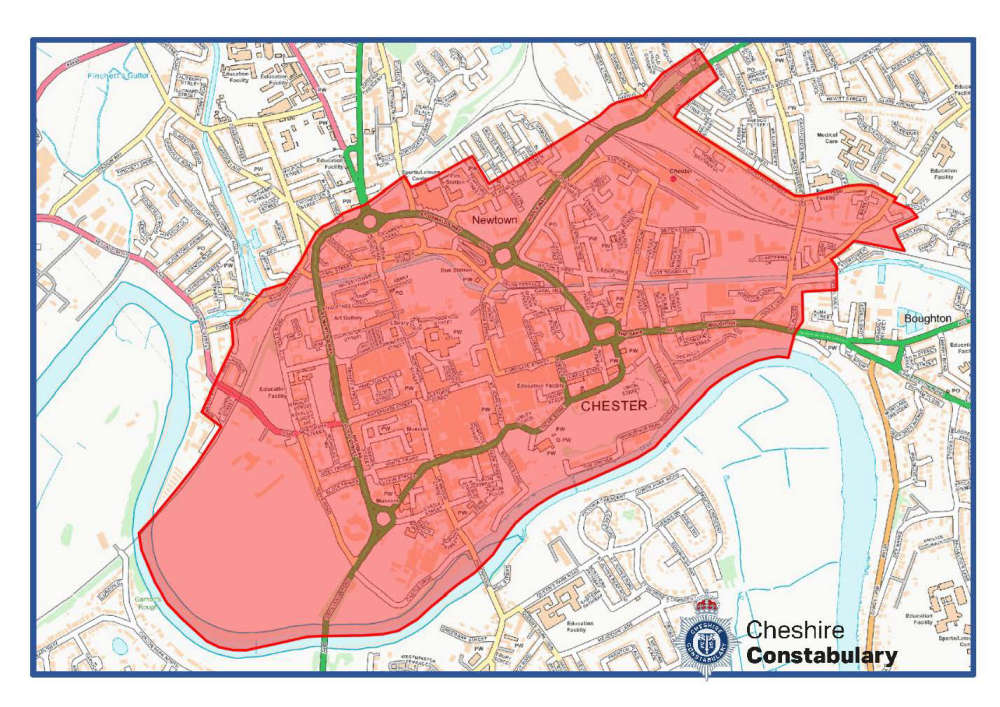 Live Facial Recognition technology to be deployed in Chester this weekend
 Road to reopen as part of town centre
 £1 bus travel launched for young people across Cheshire West and Chester
 Peak Cluster carbon capture and pipeline project in Cheshire West and Chester
 Officers out in force in Blacon for Operation Decisive
 Neighbourhood Plan and Neighbourhood Development Order finalised for Blacon
Comments
Add a comment