
The University of Chester is hosting a timely lecture to celebrate the bicentenary of the iconic founder of modern nursing – Florence Nightingale.
With healthcare high in people’s minds, and an international gratitude expressed daily to those who administer it, the University of Chester is hosting a timely lecture to celebrate the bicentenary of the iconic founder of modern nursing – Florence Nightingale.
Florence Nightingale – the Lady with the Lamp – came to prominence during the Crimea War in the 1850s, when she was put in charge of nursing British and allied soldiers in Turkey. She later went on to establish the first scientifically based nursing school.
International Nurses Day on May 12 commemorates her birth. To celebrate that day, Dr Elizabeth Mason-Whitehead, Professor of Health and Social Care, and Head of Chester Medical School, will talk about Florence Nightingale’s life and her legacy for the profession in an online event via Microsoft Teams. The talk will also feature reflections from Dame Betty Kershaw (Professor Emeritus, University of Sheffield and Fellow and former President of the Royal College of Nursing) and others.
The online talk is part of the programme of events run by the Faculty of Health and Social Care Historical Society, which was founded in 2008 to mark the 60th anniversary of the NHS and unite individuals with an interest in medicine, nursing, midwifery and social work across the University and the wider community: www.chester.ac.uk/health/historical-society
Professor Mason-Whitehead is one of the founders of the Historical Society and its volunteers also run the Riverside Museum, which is based at the University’s Riverside Campus. Among the Museum’s extensive collection is an original letter from Florence Nightingale written from the Crimea in 1856. The letter was purchased by the University for the Riverside Museum so that students, staff and visitors can appreciate the kindness and compassion of the ‘Lady with the Lamp’ in the midst of such difficulty and trauma.
Professor Mason-Whitehead said: “I think 2020 proves that the light of Florence Nightingale’s lamp continues to shine as brightly as it did all those years ago in the Crimea. In many ways the complexities and challenges felt by nurses currently could never have been envisaged by those early nurses, and yet the desire to improve the quality of life and ease the suffering of others remains a constant – as we are also seeing amongst our own student nurses who have volunteered to join today’s front line, in the fight against COVID-19.”
The talk takes place on Tuesday, May 12 at 4pm. There will also be an opportunity for participants to ask questions using the text function. Anyone is welcome to join this free event and full joining instructions will be sent to everyone who sends an email to fhsc.histsoc@chester.ac.uk indicating that they would like to register.
Pictured - Professor Elizabeth Mason-Whitehead, with an original letter from Florence Nightingale written from the Crimea in 1856. (The image was taken in 2010, when the letter was purchased by the University for the Riverside Museum.)
 Council uses powers to close shops selling illegal vapes and tobacco products
 Public consultation on the future of public toilets at Holywell, Mold and Talacre
 Man jailed for 16 years after being found guilty of rape
 Ellesmere Port community projects awarded share of Police and Crime Commissioner’s £150k fund
 Chester community projects awarded share of Police and Crime Commissioner’s £150k fund
 Council completes chewing gum cleaning project
 Chester Market celebrates three years of success
 Chester and Wirral Football League - Latest Results
 Blues Match Report: Chester FC 1 - 1 Marine
 Wanted man from Ellesmere Port arrested and charged
 'Winter Warmer' initiative for local over 60’s in North Wales
 Inaugural meeting of the Cheshire and Warrington Combined Authority Shadow Board
 Cheetah brothers arrive at Chester Zoo
 Ex-Chester FC star helps create stunning poppy tribute
 FREE CHESTER CONCERT SET TO CELEBRATE WORK OF RENOWNED NORTH WEST BASED COMPOSER
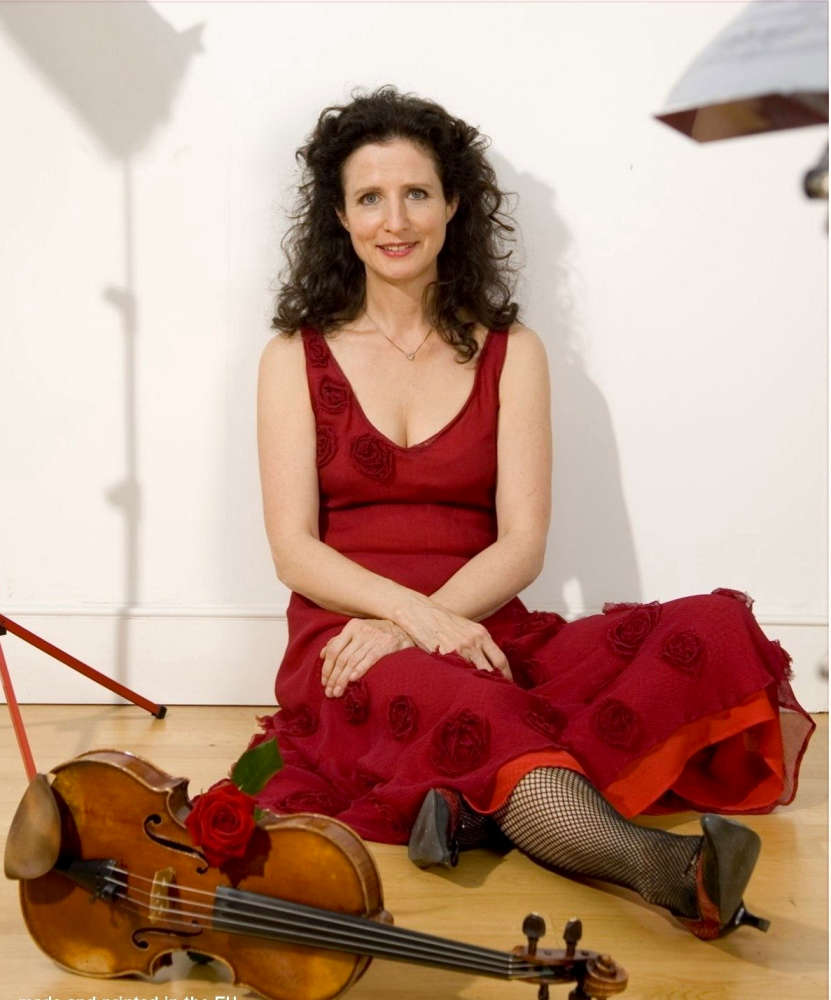 MUSIC BY RENOWNED WELSH FEMALE COMPOSER TO FEATURE IN WREXHAM ORCHESTRA REMEMBRANCE CONCERT
 Blues Match Report: Cambridge United 3 - 0 Chester FC
 Blues Match Preview: Cambridge United v Chester FC
 Cheshire Constabulary welcomes its newest four-legged crime fighter ahead of her Police Dog training
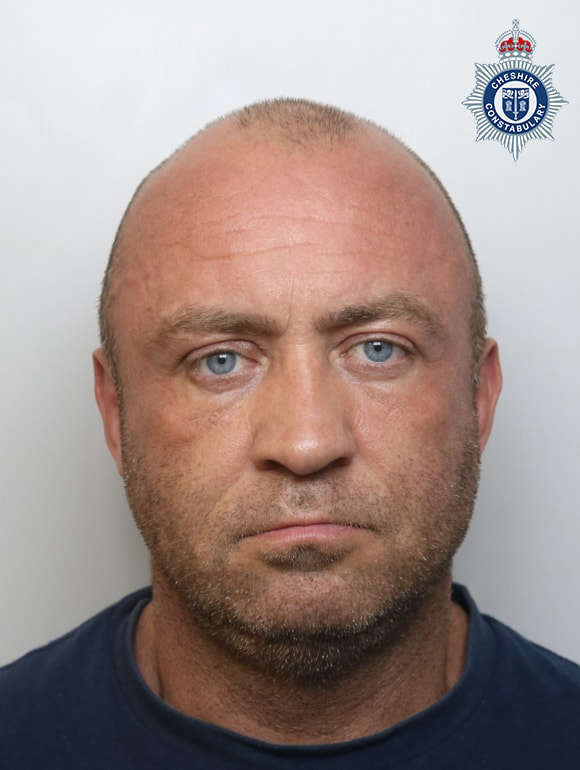 Appeal to trace wanted man from Ellesmere Port