

The “rags to riches” story of the Victorian paper-making process saw a Chester professor appear on one of the BBC’s most popular, peak-time programmes.
Ironically, Professor of English, Deborah Wynne, has no television, so relied on feedback from family and friends once the programme had aired!
Reduce, Reuse and Recycle Week, Episode Six of The Great British Sewing Bee, saw all fabric replaced with charity shop clothes and soft furnishings to test the competitive sewers’ creative ingenuity. Viewers learned that recycling was as popular with the Victorians, for whom saving money - not the planet- was then the priority, Professor Wynne informed viewers.
She said: “Victorian people were keen on recycling because most didn’t have much disposable income. Poorer families could sell waste products, such as rags, bones, and scrap metal to traders (‘rag-and-bone’ collectors). Some people even made a living collecting dog excrement as it was used in the tanning industry! Nothing went to waste in the Victorian era because someone could always find a use for the things rich people threw away. Garments frequently descended through various tiers of society, from the rich to the poor, until they became the tattered rags worn by beggars on the streets.”
Professor Wynne was invited on to the programme after one of its producers read her article, ‘Reading Victorian Rags’, in the Journal of Victorian Culture.
The piece had focused on the links between collecting waste fabric and making paper in the Victorian period. The growing publishing industry meant that vast amounts of paper were needed to print all the new newspapers and magazines, making even filthy rags valuable and every scrap of fabric or piece of rag precious because it could be transformed into paper.
She added: “While environmental issues are of paramount importance today for our recycling efforts, as we worry about the effects of landfill waste and the destruction of rain forests, for the Victorians thrift, along with the ethos of ‘waste not want not’, were the main reasons for recycling.”
By strange coincidence, Professor Wynne hosted an online MA seminar on rags and paper-making on the same day she appeared on Sewing Bee.
She is also planning to reschedule a public talk about Victorian textile recycling at a future study day and has co-edited a book – to be published next year - on Victorian manufacturing with Dr Louisa Yates, the Director of Research and Collections at Gladstone’s Library, Hawarden, as well as contributing a section on textiles, their manufacture and recycling. Professor Wynne is also writing an essay on the Brontë sisters and the domestic arts for a book she is co-editing with a Sheffield colleague entitled The Brontës and the Arts. This chapter will discuss (among other things) how the sisters recycled/reused paper and cloth.
Did Professor Wynne enjoy her brush with one of the BBC’s most popular programmes?
She said: “I found it a fascinating experience to visit the “Sewing Bee’s” warehouse studio in Bermondsey last year for my interview. It was also wonderful to see behind the scenes, particularly the sewing room where the contestants work so hard under pressure. I am delighted to have been able to make a small contribution to this exciting and unusual programme.”
Episode Six of The Great British Sewing Bee, “Reduce, Reuse and Recycle Week”, can still be viewed at: https://www.bbc.co.uk/iplayer/episode/m000jk59/the-great-british-sewing-bee-series-6-episode-6
Pictured - Chester’s Professsor of English and The Great British Sewing Bee contributor, Deborah Wynne.
 Blues Match Preview: Merthyr Town v Chester FC
 Chester and Wirral Football League - Weekend Round Up
 AWARD-WINNING COMEDY TO BE STAGED AT CHESTER LITTLE THEATRE
 Cabinet to defer decision on schools’ reorganisation proposal
 Local MP Justin Madders joins Gavin & Stacey star Alison Steadman to back Marie Curie appeal
 Make Your Food Go Further this Food Waste Action Week
 Council launches campaign to recruit more Shared Lives carers
 Men sentenced in connection with Cheshire West drug supply
 19TH CENTURY "GIRL POWER" SET TO BE CELEBRATED AT CHESTER CONCERT
 Blues Match Report: Chester 2 - 1 Darlington
 Blues Match Preview: Chester FC v Darlington
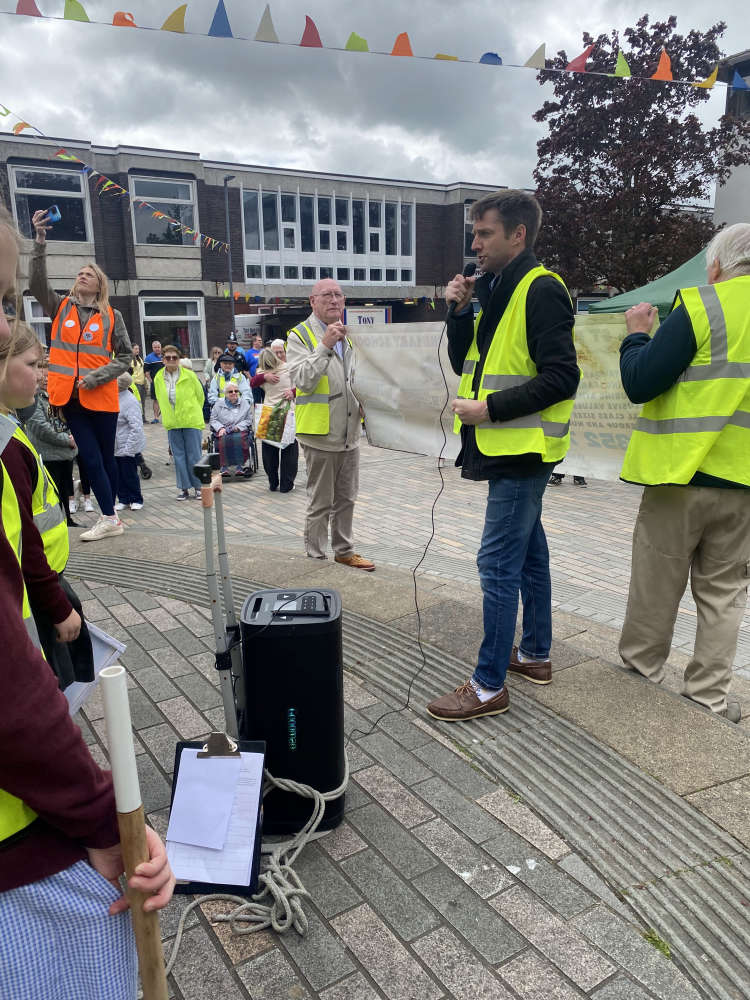 Councillors urged to throw out proposals to merge four catholic schools
 Man jailed following Ellesmere Port phone robbery
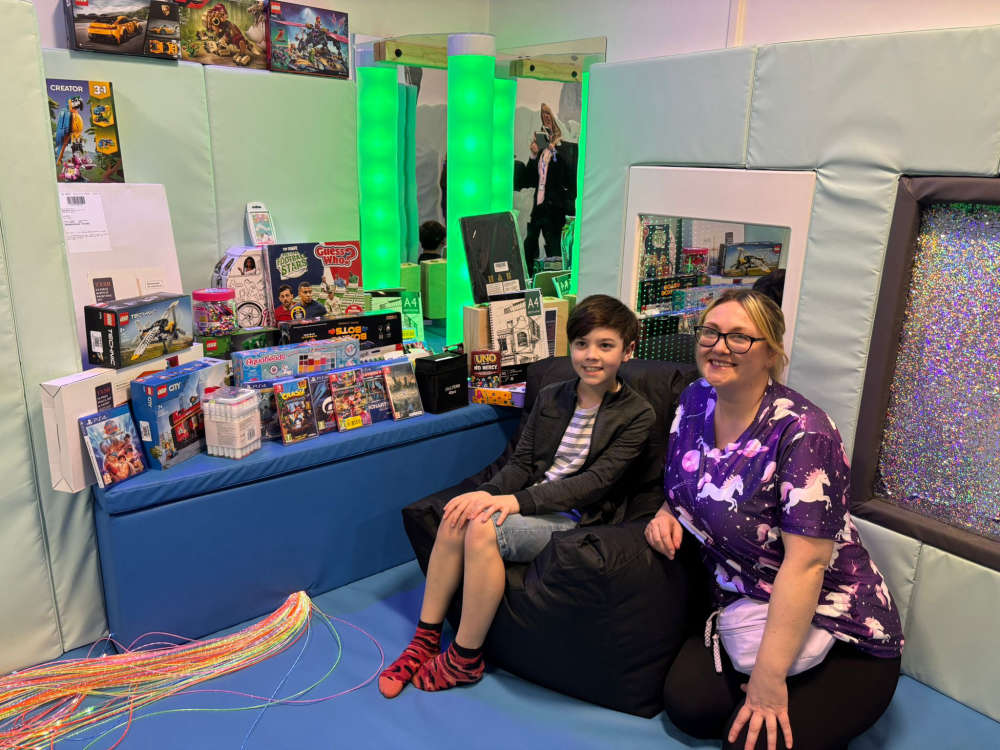 Charlie’s 20‑mile challenge brings joy to young patients at the Countess of Chester Hospital
 Local MP Marks World Book Day and Champions National Year of Reading Across Chester North & Neston
 Chester Racecourse donates £10,000 to fund Storyhouse Skills Studio