

Avian influenza of the H5N8 strain has been confirmed at a premises near Frodsham in Cheshire today (2 November). Further testing is underway to determine if it is a highly pathogenic strain and whether it is related to the virus currently circulating in Europe.
All 13,000 birds at the farm, which produces hatching eggs, will be humanely culled to limit the spread of the disease. 3km and 10km temporary control zones have been put in place around the infected site to limit the risk of the disease spreading.
This case is unrelated to the H5N2 strain which was confirmed in at a small commercial premises near Deal in Kent earlier today.
Public Health England (PHE) advises that the risk to public health from the virus is very low and the Food Standards Agency advises that avian influenzas pose a very low food safety risk for UK consumers. Properly cooked poultry and poultry products, including eggs, are safe to eat.
Chief Veterinary Officer, Christine Middlemiss, said:
“Avian flu has been confirmed at a commercial farm near Frodsham in Cheshire. Immediate steps have been taken to limit the risk of the disease spreading and all remaining poultry at the farm will be culled.
“Public Health England has confirmed that the risk to public health is very low and the Food Standards Agency advises that bird flu poses a very low food safety risk for UK consumers.
“Bird keepers should remain alert for any signs of disease, report suspected disease immediately and ensure they are maintaining good biosecurity on their premises.
“We are urgently looking for any evidence of disease spread associated with this farm to control and eliminate it.”
Dr Gavin Dabrera, Consultant in Acute Respiratory Infections at PHE said:
“There have never been any confirmed cases of H5N8 in humans and the risk to public health is considered very low.
“We continue to work closely with Defra throughout this investigation.”
A Food Standards Agency spokesperson said:
“We advise that, on the basis of the current scientific evidence, avian influenzas pose a very low food safety risk for UK consumers.
“Properly cooked poultry and poultry products, including eggs, remain safe to eat.”
A detailed investigation is in progress to determine the most likely source of this outbreak.
Wild birds migrating from mainland Europe during the winter period can spread the disease to poultry and other captive birds. There are some simple measures that all poultry keepers, whether they are running a large commercial farm, keeping a few hens in their back garden, or rearing game birds, should take to protect their birds against the threat of avian flu.
These include:
- Keeping the area where birds live clean and tidy, controlling rats and mice and regularly cleansing and disinfecting any hard surfaces
- Cleaning footwear before and after visits
- Placing birds’ feed and water in fully enclosed areas that are protected from wild birds, and removing any spilled feed regularly
- Putting fencing around outdoor areas where birds are allowed and limiting their access to ponds or areas visited by wild waterfowl
- Where possible, avoid keeping ducks and geese with other poultry species.
Further information on how to help prevent the spread of the disease can be found here.
- The restrictions in place mean that all premises with poultry and/or captive birds within the zones will continue to house their birds, if possible. The movement of birds, mammals and other things, such as carcasses, eggs, used poultry litter and manure, on or off premises where poultry is present and out of the zones are banned except under licence. No gatherings of poultry or the release of game birds are also allowed in the zones. Information on the restriction measures in place within the zones can be found at GOV.UK.
- Around 13,000 birds at the farm will be humanely culled to limit the spread of the disease. Human risk of infection is very low for the general population and low for those immediate contacts on site. Public Health England and local health protection teams are involved.
- Food Standards Agency (FSA) has made clear that bird flu does not pose a food safety risk for UK consumers. Thoroughly cooked poultry and poultry products, including eggs, are safe to eat.
- H5N8 is currently circulating in wild birds and poultry in Europe, Central Asia and the Middle East, causing clinical signs in affected birds and we raised our risk level to MEDIUM for the incursion into the UK through the movement of wild birds. These viruses are in no way connected to the COVID-19 pandemic caused by the SARS-CoV-2 virus which is not carried in poultry.
- Suspected disease should be reported to APHA offices immediately on 03000 200 301
- Clinical signs that poultry keepers should look for in their birds include a swollen head, discolouration of neck and throat, loss of appetite, respiratory distress, diarrhoea and fewer eggs laid – although clinical signs vary between species of bird.
- Where avian influenza (or Newcastle Disease) is not strongly suspected, but cannot be ruled out, poultry keepers may wish to liaise with their private veterinarian about utilising the Animal and Plant Health Agency (APHA) ‘testing for exclusion’ regime in GB. This involves submitting samples to a testing service at the APHA’s National Reference Laboratory, Weybridge and can help detect a notifiable avian disease at the earliest opportunity for such cases.
- Further information on biosecurity and how to prevent disease is available here: https://www.gov.uk/guidance/avian-influenza-bird-flu
 Blues Match Preview: Merthyr Town v Chester FC
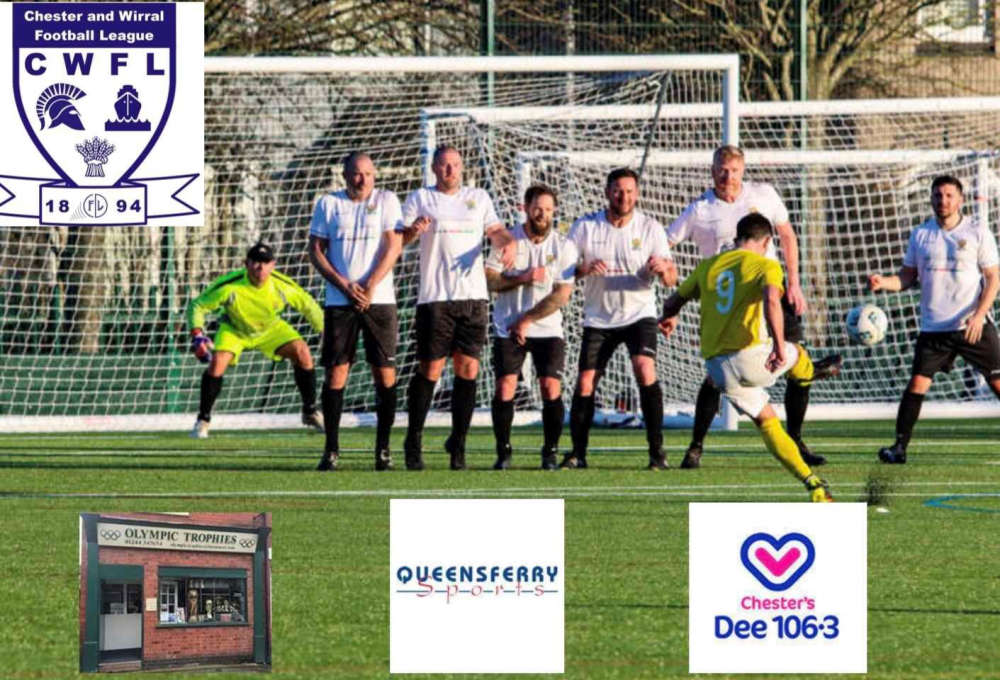 Chester and Wirral Football League - Weekend Round Up
 AWARD-WINNING COMEDY TO BE STAGED AT CHESTER LITTLE THEATRE
 Cabinet to defer decision on schools’ reorganisation proposal
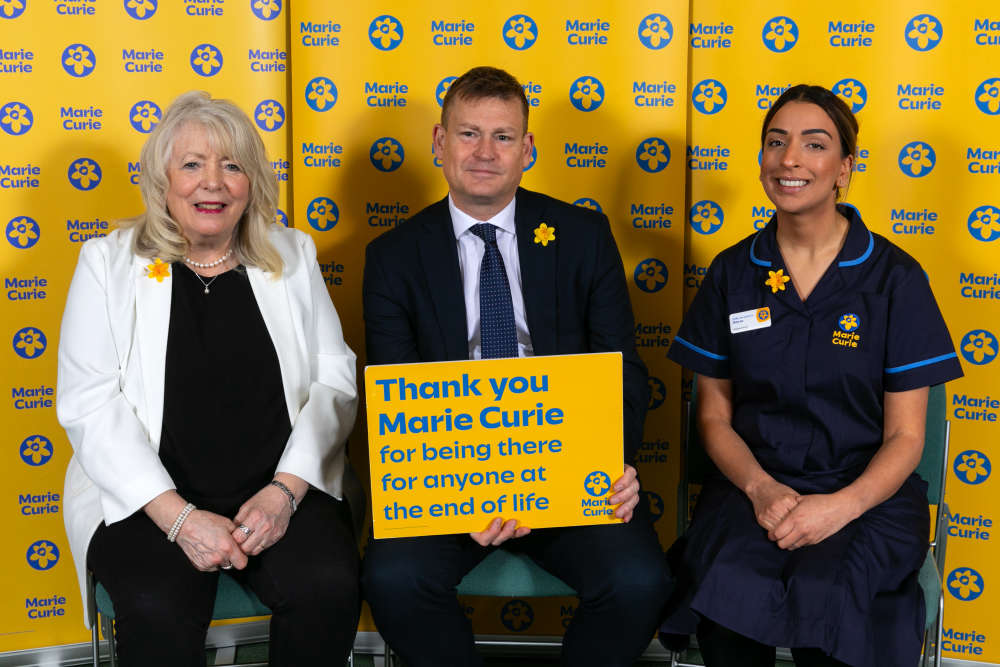 Local MP Justin Madders joins Gavin & Stacey star Alison Steadman to back Marie Curie appeal
 Make Your Food Go Further this Food Waste Action Week
 Council launches campaign to recruit more Shared Lives carers
 Men sentenced in connection with Cheshire West drug supply
 19TH CENTURY "GIRL POWER" SET TO BE CELEBRATED AT CHESTER CONCERT
 Blues Match Report: Chester 2 - 1 Darlington
 Blues Match Preview: Chester FC v Darlington
 Councillors urged to throw out proposals to merge four catholic schools
 Man jailed following Ellesmere Port phone robbery
 Charlie’s 20‑mile challenge brings joy to young patients at the Countess of Chester Hospital
 Local MP Marks World Book Day and Champions National Year of Reading Across Chester North & Neston
 Chester Racecourse donates £10,000 to fund Storyhouse Skills Studio